Free shipping for US orders over $150
Free shipping for US orders over $150


Landscape lighting options for garden beds and paths.
Choosing between 120V and 12V outdoor landscape lighting starts with understanding how each system receives power. A 120V system operates on household line voltage. Low-voltage landscape lighting systems use a transformer or suitable power supply to reduce the voltage delivered to the lights.
This difference affects installation and wiring requirements, but it does not automatically determine brightness or energy use. Both systems can use efficient LEDs. The right choice depends on your lighting goals and the installation requirements of the products you select.
In residential outdoor lighting, 120V is household line voltage, not the low voltage used by a typical landscape lighting system. Many landscape lights operate at a nominal 12V, and some transformers provide output taps from 12V to 15V to help compensate for voltage drop along the cable.
Always check the operating voltage specified for each fixture. A higher transformer tap does not mean every 12V bulb can safely receive 15V at its terminals.
A 120V landscape lighting system supplies line voltage to fixtures designed for that input. A conventional 12V system uses a landscape lighting transformer to reduce household voltage before power reaches the garden lighting circuit.
Household voltage remains present at the transformer's input and its supply circuit. Only the wiring connected to the low-voltage output operates at the reduced voltage. Our guide to how a low-voltage transformer works explains its role in the system.
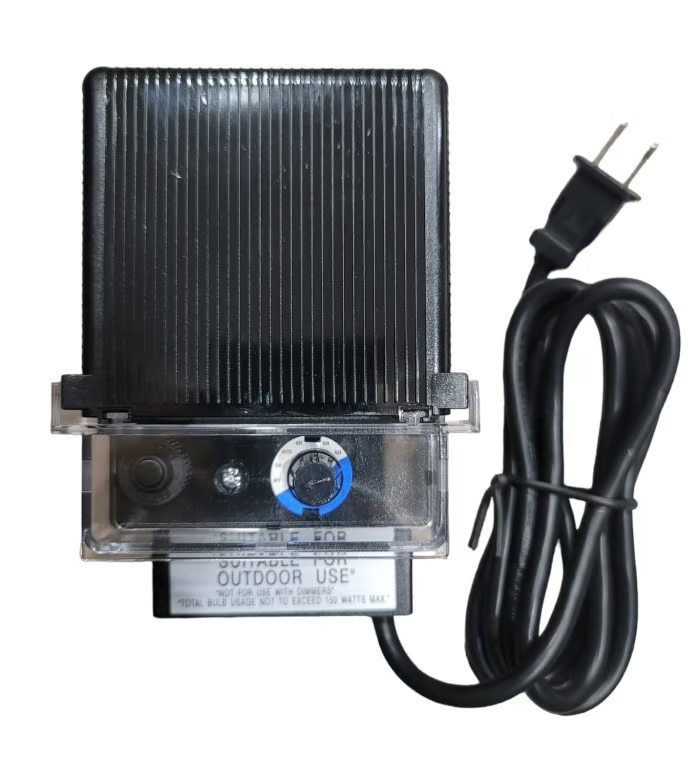
A plug-in low-voltage system may be suitable for homeowner installation where local rules allow and a suitable outdoor outlet is already available. The outlet should have ground-fault circuit interrupter (GFCI) protection and an appropriate weatherproof cover for use while the transformer is plugged in. Have a qualified electrician handle new household circuits and hardwired connections.
Permit and inspection requirements vary by location. Low-voltage lighting can simplify some projects, but it does not automatically eliminate permits or cable installation work. Compare the full project cost rather than assuming one voltage is always cheaper to install.
Select transformer capacity from the connected lighting load and the manufacturer's limits, not yard size alone. The 150W low-voltage transformer is one option to compare with your calculated requirements. For systems needing more capacity, review the 300W multi-tap stainless steel transformer and 600W multi-tap stainless steel transformer.
For compatible 12V DC equipment, the 60W 120V AC to 12V DC outdoor power supply provides another option. Check each product's installation instructions, including whether it requires a hardwired connection. Do not assume every outdoor power supply is plug-in.
Our landscape lighting kits offer different packages. Check the individual listing to confirm what is included and whether you need additional components. Before starting, review our guide on how to properly install low-voltage lighting alongside the manufacturer's instructions and local requirements.
Minimum cable cover requirements depend on the wiring method and installation location. Some cable is approved for direct burial, while other installations require conduit or additional protection. Burial depth alone does not determine whether conduit is necessary. Follow the locally adopted electrical code and the listed lighting system's instructions.
Low-voltage cable also needs protection from physical damage. Do not assume it can simply be left exposed or hidden beneath loose mulch. Use cable approved for the intended location, follow the required cover depth, and protect it from gardening tools. Locate underground utilities before digging.
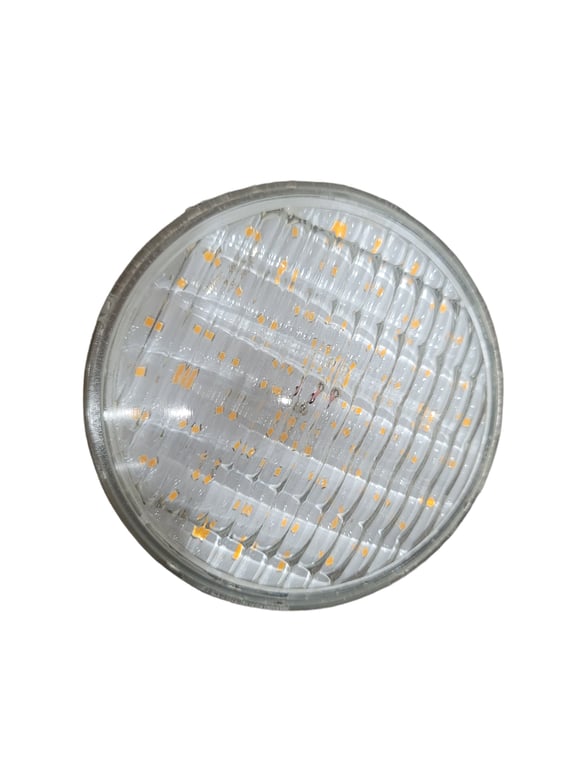
Low-voltage fixtures are available in compact designs that can blend into a garden. When comparing 12V landscape light bulbs, consider light output and beam angle as well as compatibility with the fixture. Supply voltage alone does not determine how bright the light will appear or how much glare it creates.
Both 12V and 120V fixtures can produce controlled accent lighting when selected and positioned appropriately. Our guide to landscape lighting effects can help you plan where to direct the light.
Explore path and area lights for walkways, or compare well lights for ground-level accent lighting. For changes in elevation, browse step and deck lights.
Low-voltage layouts can be easier to adjust as the garden changes, although moving fixtures may still require cable work. Disconnect power before making adjustments. Browse our low-voltage path lights, or find inspiration in these low-voltage landscape lighting ideas and deck lighting ideas.
A 12V system does not automatically use less electricity than a 120V system. Energy consumption depends on the total power drawn in watts and how long the lights operate. Electricity rates determine the resulting operating cost. A complete comparison should also account for transformer or power-supply losses.
Both systems can use energy-efficient LEDs. Compare lumens, which describe light output, with input watts to find suitable lighting without unnecessary energy use. A compatible timer can also reduce operating hours by switching the system off when lighting is no longer needed.
Lower operating voltage reduces electric-shock risk in the landscape lighting circuit, but it does not make damaged wiring harmless. Both systems require components rated for their installation conditions. A cut cable or unsuitable connection can cause an electrical fault, even in a 12V system.
Underground installations can be exposed to moisture, including inside conduit. Proper outdoor wiring accounts for those conditions rather than relying on the underground space staying completely dry. Use wiring and connectors rated for the location. Ordinary indoor connectors do not become suitable for burial simply because they are wrapped in tape.
Disconnect power before moving fixtures or repairing connections. Stop using equipment with damaged insulation, and arrange a proper repair before switching it back on. Our guides on weatherproofing outdoor lighting and light bulb safety provide additional background, but product instructions and local electrical requirements take priority.
Low-voltage landscape lights may require AC, DC, or an input compatible with both. Conventional landscape transformers commonly supply AC, while some outdoor power supplies deliver DC. Do not assume that all products labeled 12V are interchangeable.
Check the input marking on the fixture or bulb and match it to the power supply. For example, the 9W MR16 LED bulb rated 12V AC/DC is specified for either type of 12V supply. Fixtures designed for household line voltage typically accept 120V AC at their input.
Voltage drop occurs as current flows through the resistance of the cable. Long runs and heavier loads can increase the drop. If the voltage reaching a fixture falls outside its operating range, an LED may flicker or fail to operate normally.
Multi-tap transformers can help compensate for voltage drop, but selecting a higher tap is not a substitute for proper cable sizing. Follow the manufacturer's selection procedure and confirm that the voltage delivered to each fixture stays within its permitted range.
With comparable copper cable, 12-gauge conductors have less resistance than 14-gauge conductors. The correct size still depends on the cable run and connected load. Leave the spare capacity recommended by the transformer manufacturer, and follow the limits for each output circuit. An 80% loading guideline can help with planning, but the allowable load depends on the selected transformer and its instructions.
Learn more in our guides to garden lighting wattage, voltage and load and choosing the best wattage for outdoor lights. For connections, use products specifically rated for the installation conditions. Our article on using wire nuts for outdoor lighting introduces the topic; always confirm the connector's wet-location and direct-burial ratings where applicable.
No. Never connect a bulb rated only for 12V directly to a 120V circuit. The excessive voltage can destroy the bulb and create an electrical hazard. A 120V bulb is not a suitable substitute for a 12V bulb either. Use a compatible transformer or power supply, and choose bulbs that match the fixture's electrical and physical requirements.
For background on household circuit loading, read our guide to how many LED lights can run on a 15-amp circuit. Circuit capacity does not make an incompatible bulb safe to use, and new household wiring should be handled by a qualified electrician.
Choosing pool lighting requires more than comparing 12V with 120V. Pool equipment must be specifically approved for its intended application and installed according to the applicable electrical requirements. Use a licensed electrician experienced with pool systems. A general landscape transformer is not automatically suitable for swimming-pool lighting.
For garden ponds, review the low-voltage underwater pond light and its installation requirements. A pond light is not automatically approved for swimming-pool use. Likewise, a wet-location rating alone does not establish that equipment can be submerged. Use only fixtures and power supplies approved for the specific application.
Our overview of replacing a pool light provides background before speaking with an electrician; it is not a substitute for qualified installation. For ornamental ponds, you can also read about pond lighting and koi fish.
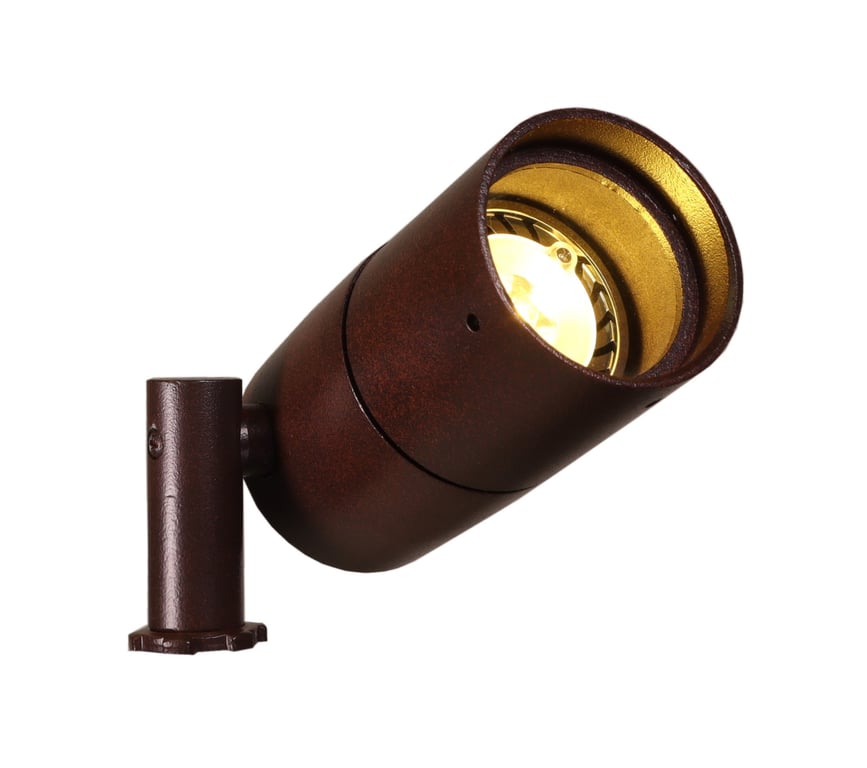
Low-voltage lighting is a practical option for many residential landscape projects, particularly where a flexible garden layout is important. A 120V system may be appropriate when the selected fixtures or an existing approved design call for line voltage. Choose according to the intended application and installation conditions rather than assuming one system is always best.
For an existing system, our guide to landscape lighting issues and how to fix them can help you understand common symptoms. You can also review when you may need a new low-voltage transformer before planning an upgrade.
Explore low-voltage landscape lighting at Best Pro Lighting to compare fixtures for your property. Check compatibility and plan the wiring layout before ordering the components for your project.

Opening Hours
Monday – Friday 7:30am - 3:30pm PST

Need Help?
Fast answers to common questions.

Stay in the Loop
Be the first to know about new arrivals, sales & tips — it's free!