Free shipping for US orders over $150
Free shipping for US orders over $150
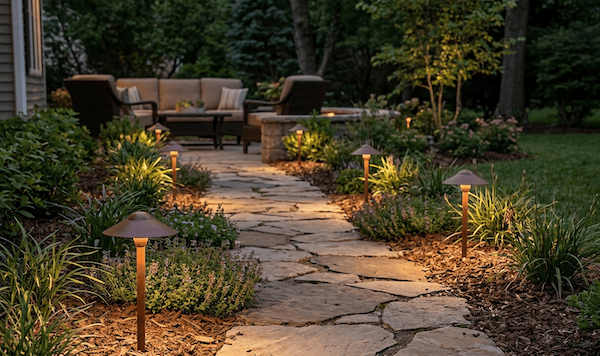
Outdoor lighting has evolved far beyond simple porch lights and floodlights. Today's homeowners, landscape architects, and property managers are looking for lighting solutions that improve safety, enhance curb appeal, and create inviting outdoor environments to encourage evening entertainment. One fixture style that continues to gain popularity throughout California and beyond is the mushroom landscape light.
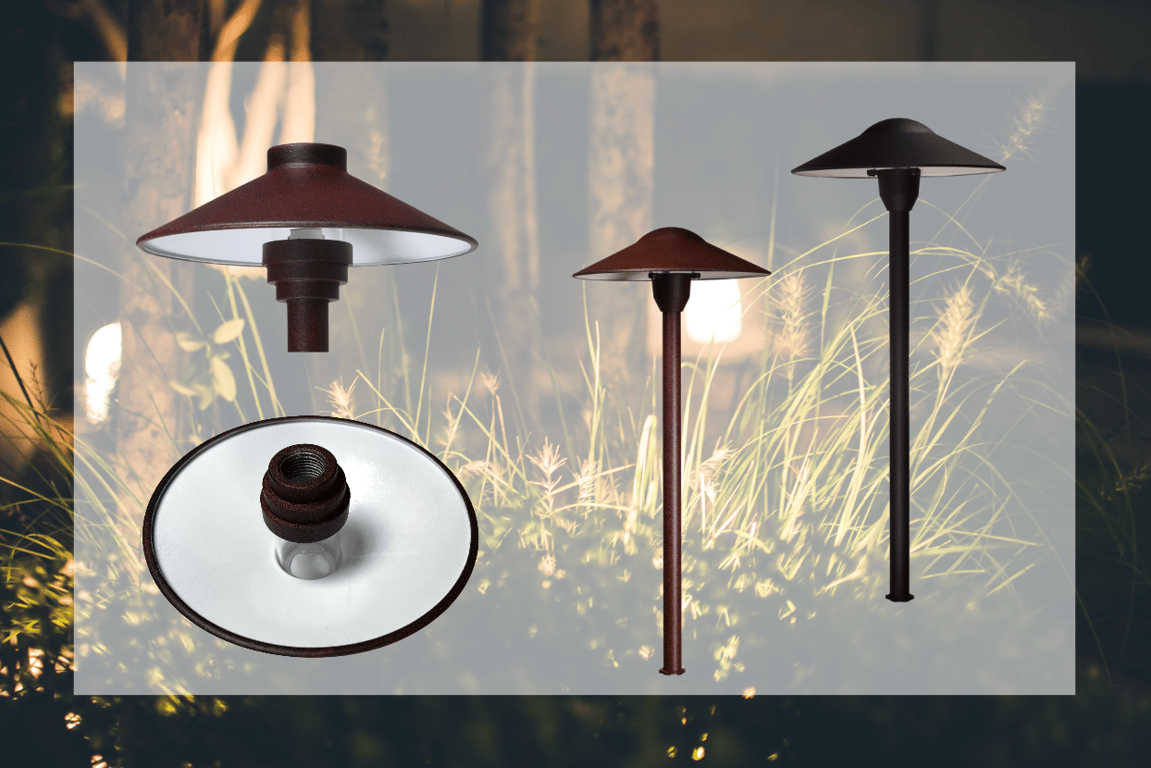
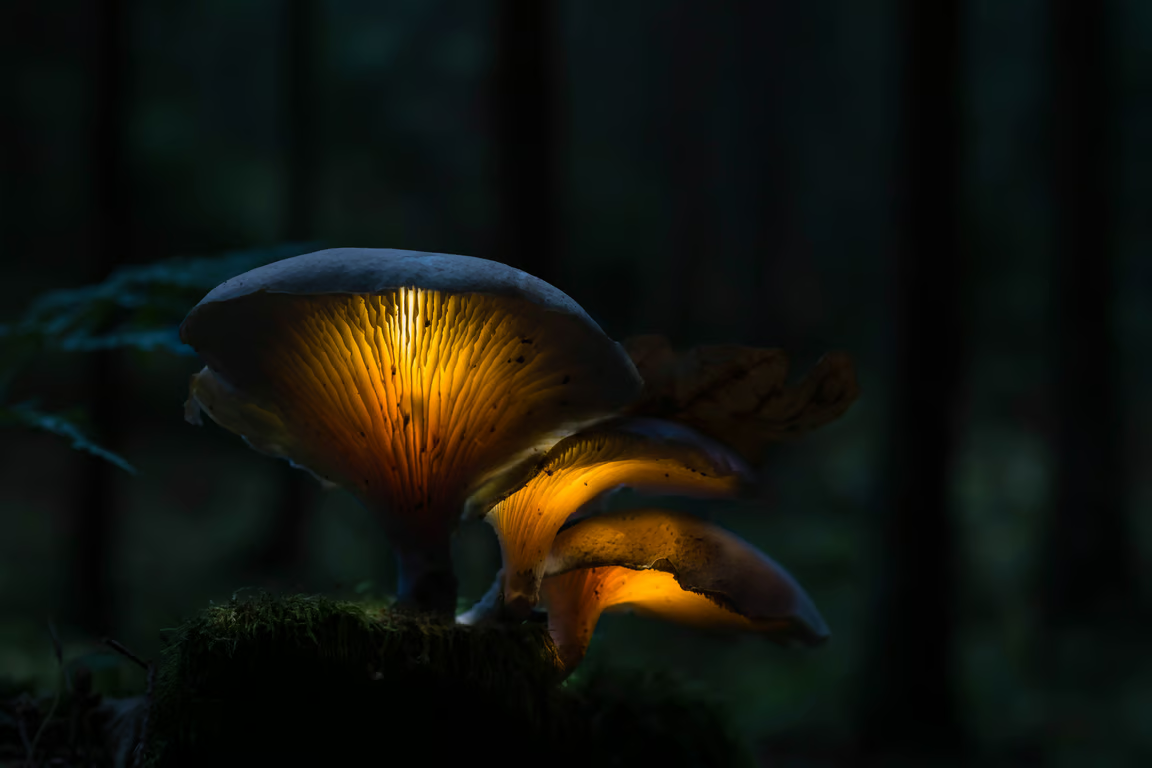
Known for its distinctive cap-shaped design and soft downward illumination, mushroom lighting is the perfect balance between functionality, aesthetics, and illumination. Whether installed along winding garden paths, stoned walkways, or commercial landscapes, these fixtures provide a subtle, yet effective lighting that complements a wide range of outdoor designs. As more property owners prioritize energy efficiency and sophisticated landscape design, it's easy to see why designers consistently recommend low voltage landscape lighting mushroom fixtures. They offer dependable performance, beautiful light distribution, and the flexibility needed to enhance virtually any outdoor space.
Want to explore what makes these fixtures so popular and why they continue to be a favorite among landscape lighting professionals?
Low voltage landscape lighting mushroom fixtures are outdoor lights designed to direct illumination downward through a cap-shaped shade. This creates a soft pool of light below the fixture while minimizing glare and preserving the natural beauty of the surrounding landscape. Unlike high-voltage outdoor lighting systems, these fixtures operate using low-voltage electricity, making them safer, more energy-efficient, and easier to install. Perfect for where subtle illumination is preferred over bright, overpowering light, mushroom lights are commonly used for pathways, garden borders, flower beds, and outdoor gathering spaces for this exact reason, a unique design that spreads evenly across the ground, creating attractive and functional landscape path lighting that enhances both visibility and aesthetics.
A low-voltage lighting system operates using a low-voltage transformer that converts standard household electricity into a lower voltage suitable for landscape fixtures. These transformers serve as the heart of the outdoor lighting system, delivering safe and consistent power to each fixture. As such, most modern systems use LED lamps that consume significantly less energy than traditional bulbs. This combination of a transformer, low-voltage wiring, and LED fixtures creates an energy-efficient lighting solution that can illuminate outdoor spaces for years while keeping operating costs low. For California homeowners looking to improve outdoor living spaces without dramatically increasing energy consumption, low-voltage lighting provides an ideal solution.
The popularity of mushroom lights isn't simply about appearance. These fixtures offer several practical advantages that make them an excellent investment for residential and commercial properties alike.
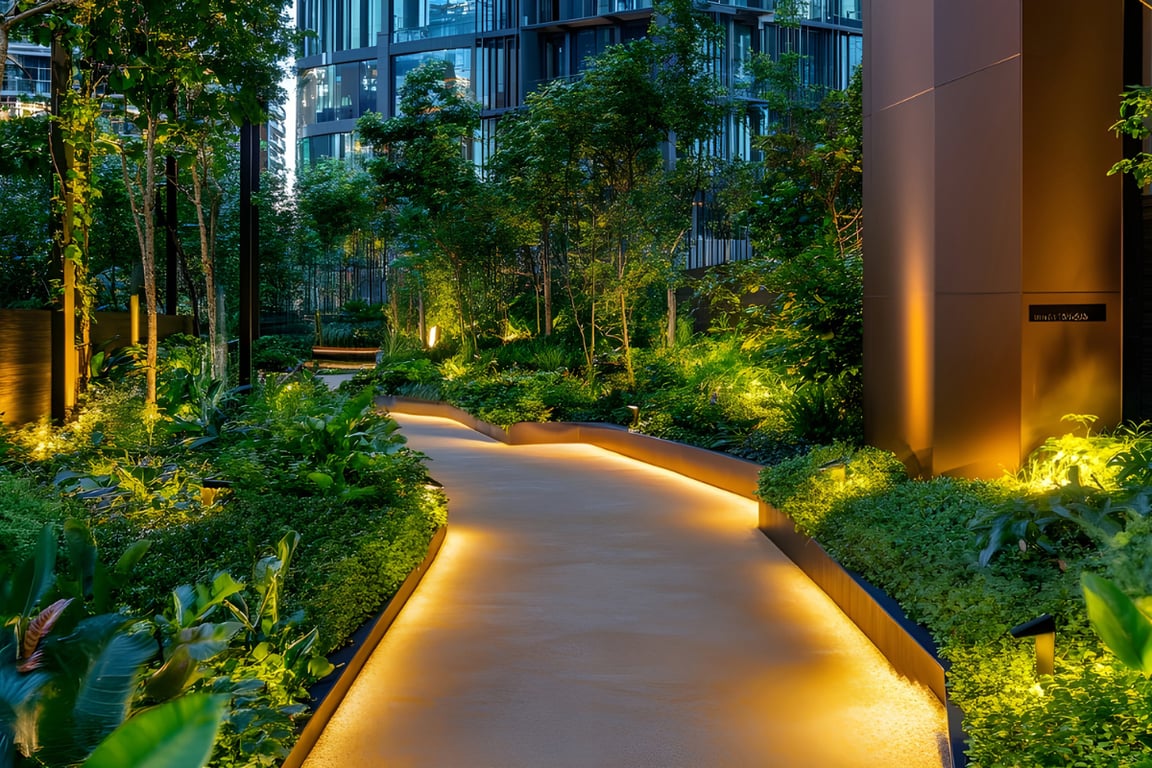
One of the primary reasons designers love mushroom lights is their ability to improve outdoor safety. Proper pathway illumination helps guide guests safely through outdoor areas after dark, reducing the risk of trips, falls, and accidents. By creating consistent pools of light along pathways and walkways, mushroom fixtures improve nighttime navigation without creating harsh glare. For homes with extensive gardens, long driveways, or outdoor entertainment areas, enhanced visibility can make a significant difference in both safety and comfort.
Landscape lighting should do more than simply illuminate a property. It should enhance its beauty. Mushroom lights contribute significantly to landscape aesthetics by creating soft, inviting lighting effects that complement plants, hardscapes, and architectural features. Their downward-facing design highlights textures, pathways, and garden elements while maintaining a natural nighttime ambiance. This is why designers often use mushroom fixtures to establish visual rhythm throughout a landscape, creating a polished appearance that feels both elegant and welcoming.
Modern mushroom fixtures often incorporate advanced LED technology, making them exceptionally energy efficient. Since LEDs consume substantially less electricity than traditional incandescent or halogen bulbs while producing excellent light output, they also generate less heat and have much longer lifespans, reducing maintenance requirements and replacement costs. For California property owners focused on sustainability and energy savings, LED mushroom lights offer an environmentally responsible lighting solution.
Outdoor fixtures must withstand a variety of environmental conditions, including heat, moisture, dust, and seasonal weather changes. Our quality mushroom lights are constructed using durable materials such as brass, copper, stainless steel, or powder-coated aluminum. These materials resist corrosion and wear, ensuring reliable performance year after year. This durability makes them a dependable choice for both residential landscapes and demanding commercial applications.
One reason designers love mushroom lighting is its versatility. These fixtures can be incorporated into a wide variety of outdoor settings.
Mushroom lights are ideal for illuminating garden walkways and winding landscape paths. Their downward light pattern provides comfortable visibility while preserving the natural charm of surrounding plants and flowers.
Whether leading guests to a front entrance or connecting outdoor living areas, mushroom fixtures provide effective landscape path lighting that improves navigation and creates a welcoming atmosphere.
Installing mushroom lights along driveway edges improves nighttime visibility while adding an upscale appearance to the property. This application is especially useful for larger properties where clearly defined driveways enhance safety.
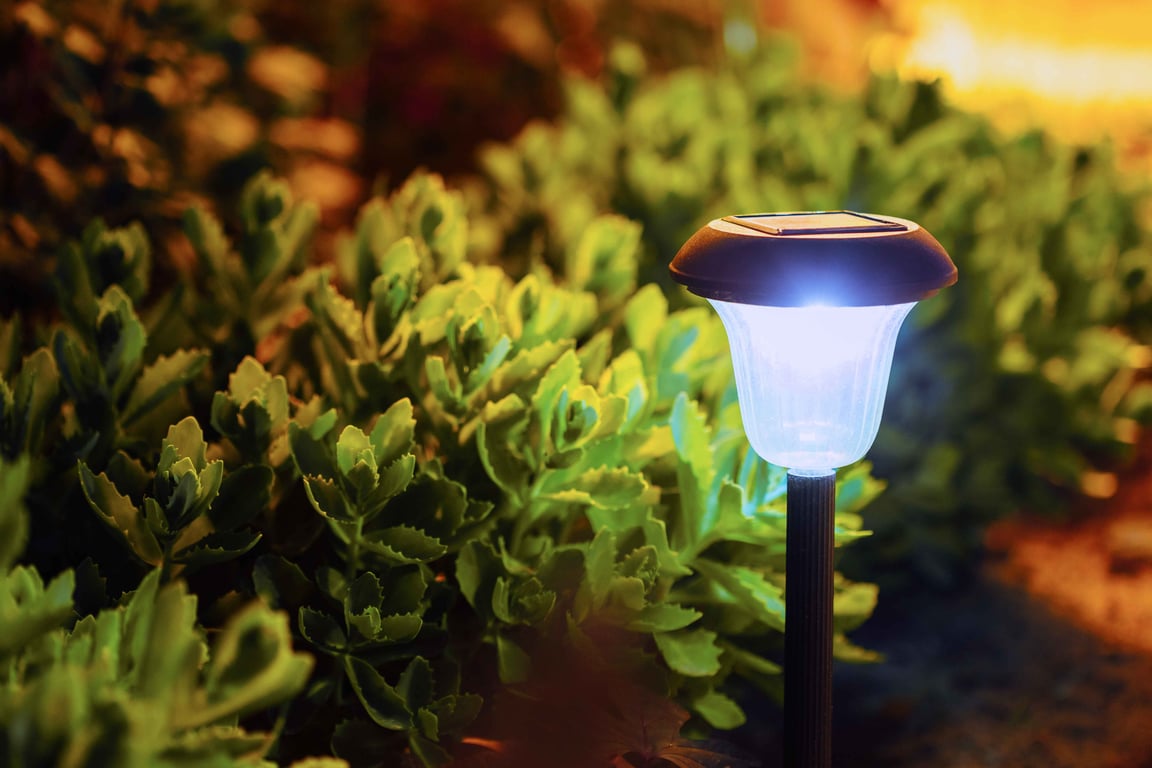
Designers frequently place mushroom lights within flower beds and landscape borders to showcase colorful plantings, ornamental grasses, and decorative features. The subtle illumination adds depth and dimension to the landscape after sunset.
Hotels, office complexes, retail centers, and community spaces often utilize mushroom fixtures to improve visibility while maintaining an attractive and professional appearance. Their clean design works well in both contemporary and traditional commercial environments.
Selecting the right fixture involves more than simply choosing a style. Several important factors can influence both performance and appearance.
LED fixtures have become the preferred choice for most landscape lighting projects. Compared to traditional incandescent and halogen bulbs, LEDs offer longer lifespans, lower energy consumption, and reduced maintenance requirements. They also provide consistent brightness and color quality throughout their operational life. While traditional bulbs may have lower upfront costs, LED technology typically delivers superior long-term value.
The fixture's finish should complement the property's overall design aesthetic.
Popular finishes include:
When evaluating outdoor mushroom lights, consider both appearance and performance. Look for fixtures with durable construction, high-quality materials, and effective light distribution to ensure optimal results.
Proper installation plays a critical role in achieving professional-looking results.
Spacing fixtures evenly helps create smooth, consistent illumination without overly bright or dark areas. Most pathway applications benefit from fixtures placed approximately 8 to 12 feet apart, depending on brightness and landscape conditions.
Voltage drop occurs when electrical current weakens over long wire runs. Proper wire sizing and thoughtful system design can help maintain consistent performance across all fixtures.
The transformer should be installed in an accessible location near a power source while remaining protected from excessive exposure to the elements.
Creating separate lighting zones allows property owners to control different areas independently. This approach improves flexibility, efficiency, and customization options.
While many homeowners can install basic low-voltage systems, larger projects often benefit from professional lighting installation. Experienced installers can optimize fixture placement, wiring design, and system performance to achieve the best results.
Routine maintenance helps ensure long-lasting performance and appearance.
Periodically clean fixtures to remove dirt, debris, and mineral buildup that may affect light output.
Inspect wiring connections and fixtures regularly to ensure proper operation and prevent potential issues.
Although LEDs last significantly longer than traditional bulbs, occasional replacement may still be necessary after years of use.
Inspect fixtures after storms, trim vegetation that may block light, and verify that all components remain securely installed. High-quality, weather-resistant fixtures require relatively little upkeep, making them an excellent long-term addition to any outdoor lighting system.
Q: What are low voltage mushroom lights used for?
A: Low voltage mushroom lights are commonly used to illuminate pathways, gardens, driveways, flower beds, and commercial landscapes while providing attractive, glare-free lighting.
Q: How far apart should mushroom path lights be installed?
A: Most installations place fixtures approximately 8 to 12 feet apart, although spacing may vary depending on fixture brightness and design goals.
Q: Are LED mushroom landscape lights better than traditional bulbs?
A: Yes. LED fixtures typically offer greater energy efficiency, longer lifespans, lower maintenance requirements, and better overall value.
Q: Do low voltage mushroom lights require a transformer?
A: Yes. A low-voltage transformer is required to convert household electricity into the lower voltage used by landscape lighting fixtures.
Q: Can mushroom lights be installed in flower beds and gardens?
A: Absolutely. Mushroom lights are frequently installed in flower beds, gardens, and landscape borders to highlight plants, improve visibility, and enhance nighttime curb appeal.

Opening Hours
Monday – Friday 7:30am - 3:30pm PST

Need Help?
Fast answers to common questions.

Stay in the Loop
Be the first to know about new arrivals, sales & tips — it's free!