Free shipping for US orders over $150
Free shipping for US orders over $150
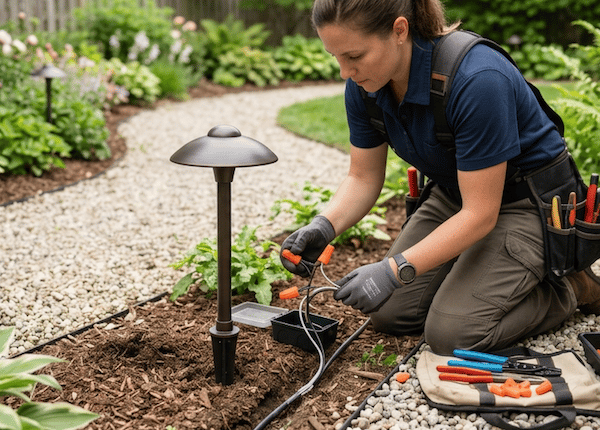
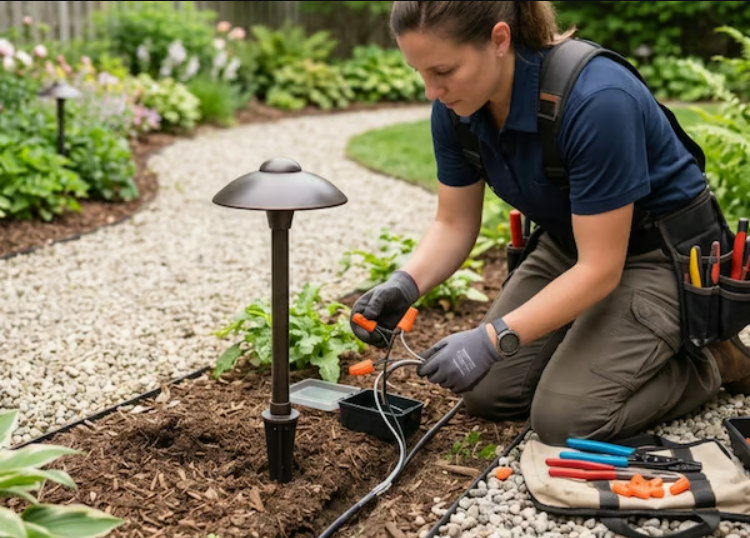
Outdoor wiring has one major enemy that indoor wiring doesn't have to deal with nearly as often: moisture. Rain, irrigation, condensation, humidity, and wet soil can all find their way into poorly protected connections. For landscape lighting, choosing the right connector isn't a minor detail—it can make the difference between a dependable installation and one that develops problems down the road.
So, when should you use waterproof wire connectors, and are ordinary wire nuts ever suitable outside? Let's break down the differences.
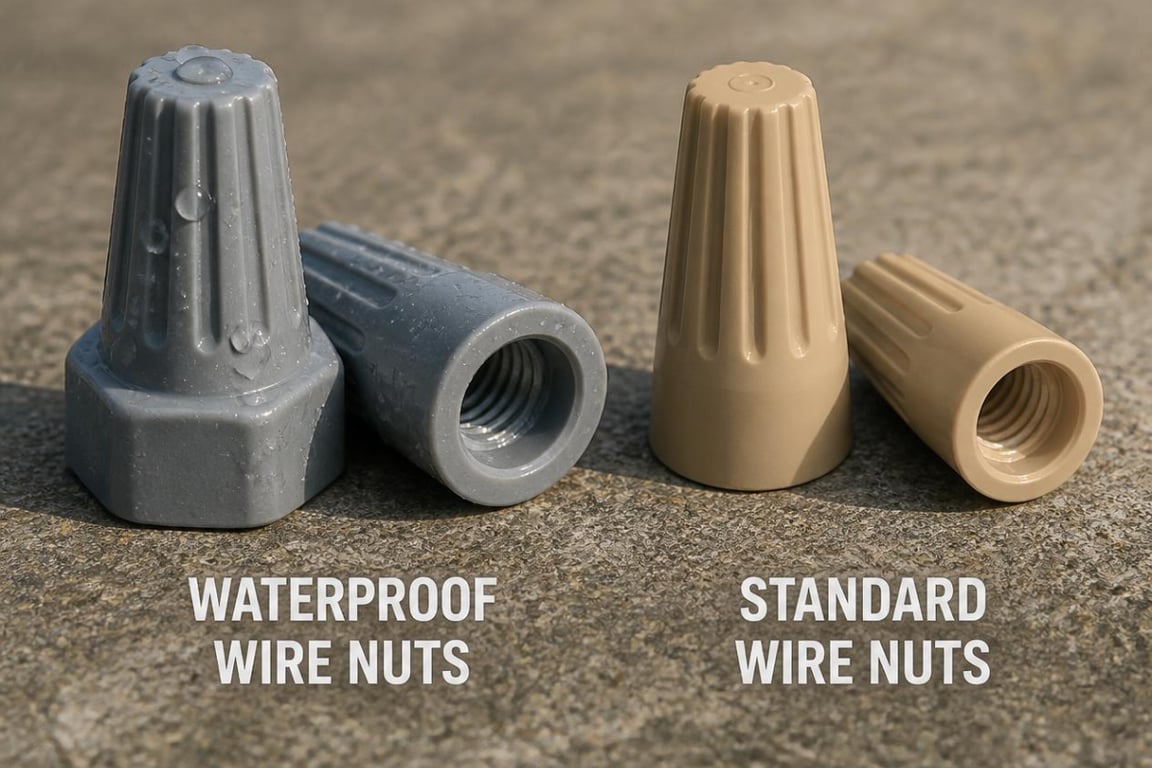
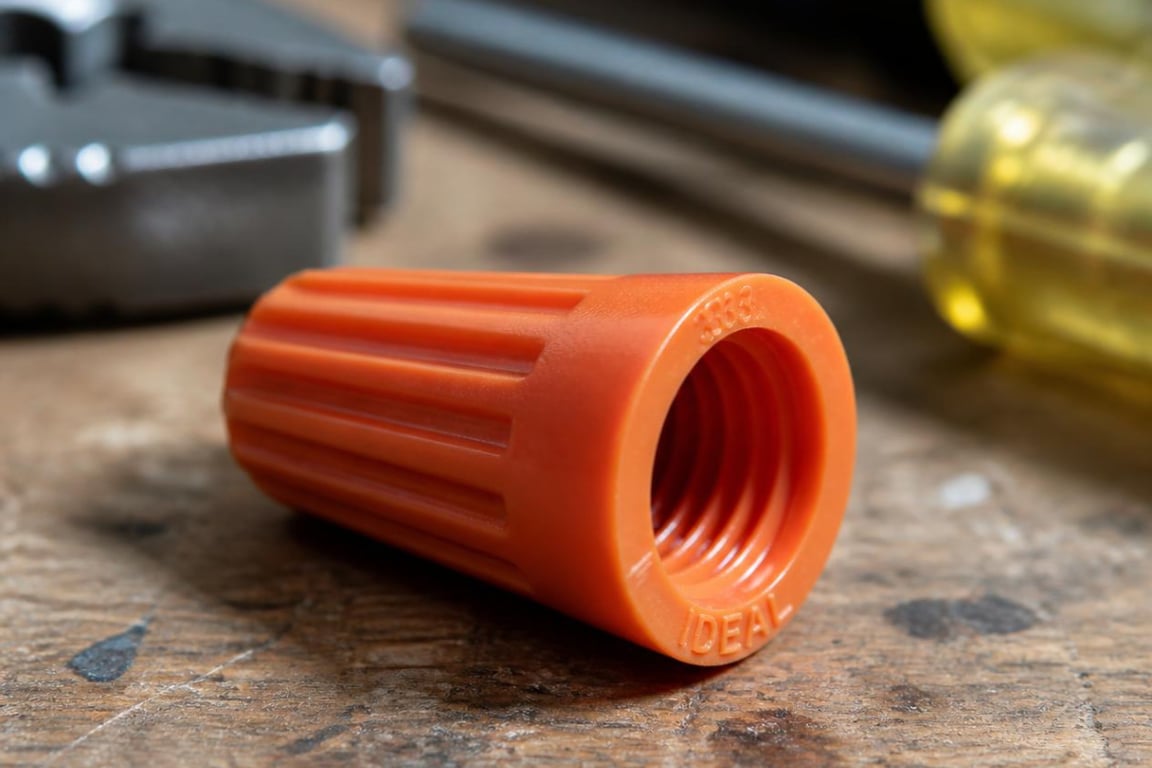
Standard wire nuts are twist-on connectors designed to join electrical wires securely. They typically have an insulated exterior and an internal metal spring that grips the conductors as the nut is tightened. While convenient, inexpensive, and widely used for indoor electrical connections, standard wire nuts aren't automatically designed to seal a connection against moisture. Unless the product specifically carries an outdoor or weather-resistant rating, it's best not to assume it's suitable for wet locations.
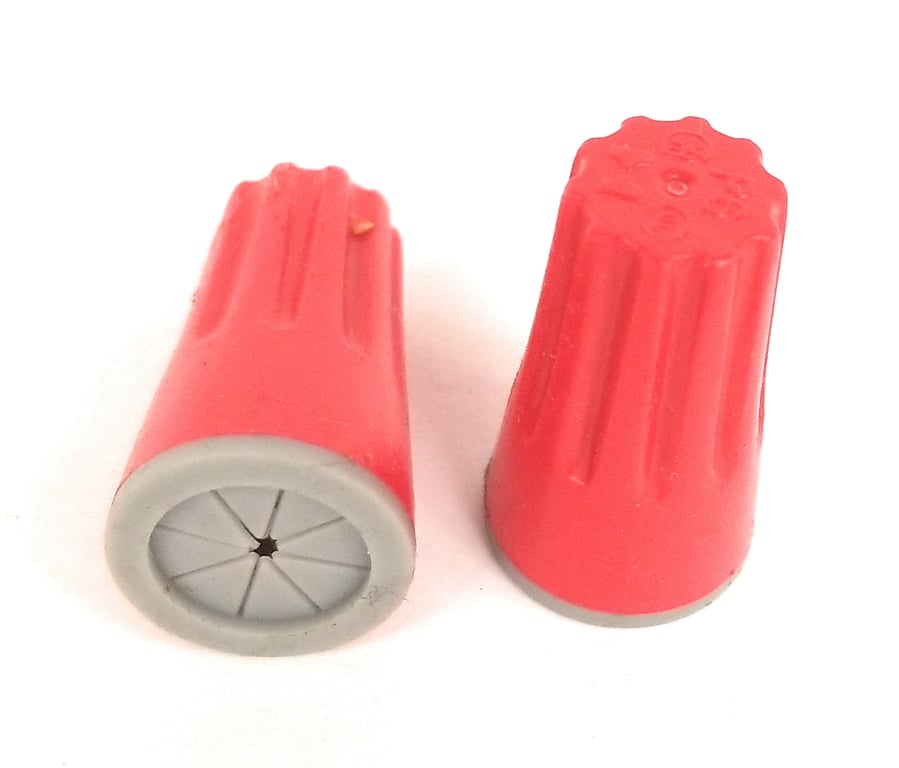
Waterproof wire nuts are designed to provide the mechanical connection of a traditional wire nut while adding protection against moisture. Many are filled with silicone or another sealing compound that surrounds the wire connection. This is particularly useful for landscape lighting, where connections may be exposed to rain, sprinklers, condensation, and damp soil. Best Pro Lighting's BPL80, for example, is silicone-filled and designed for low-voltage landscape lighting applications both above and below ground.
The biggest difference is how each connector handles the environment around the connection.
A small amount of moisture may not seem like a serious problem, but repeated exposure can lead to oxidation and corrosion. Over time, that can weaken a connection and contribute to inconsistent lighting or failure. This is especially relevant with landscape lighting. Connections sit close to the ground, where they may encounter wet grass, sprinklers, and changing temperatures. A properly selected wire nut for outdoor wiring helps protect the connection where it matters most.
Waterproof connectors are a strong choice for landscape lighting, outdoor low-voltage fixtures, irrigation-related wiring, and other connections exposed to moisture. For underground applications, however, always verify that the specific connector is rated for the installation. A connector being described as "waterproof" doesn't automatically make it appropriate for every burial depth, soil condition, or electrical system.
Standard wire nuts still have their place. They're useful for indoor, dry-location wiring where moisture protection isn't required. However, for outdoor projects, don't choose a standard connector simply because it looks sturdy. Check the product's rating and installation instructions first. If the connection will encounter moisture, selecting a purpose-built outdoor connector is usually the safer approach.
Wrapping an ordinary wire nut in electrical tape isn't equivalent to using a properly rated waterproof connector. This is because tape can deteriorate, loosen, or lose adhesion over time, particularly when temperatures change and through ongoing exposure to moisture. More importantly, it doesn't create the same purpose-designed seal as a silicone-filled connector.
That said, if a connection needs protection from the elements, start with a connector designed for that environment rather than trying to modify a standard one.
For landscape lighting, waterproof wire nuts are generally the better choice because connections are exposed to the conditions you're trying to keep away from the wiring. The Best Pro Lighting BPL80 Waterproof Wire Nut is silicone-filled and compatible with low-voltage landscape lighting wire from 20 to 10 AWG. It's designed for both above- and below-ground use, making it a great option for all types of landscape lighting installations.
Good landscape lighting isn't just about choosing attractive fixtures. The small connections between those fixtures matter, too. Using the right waterproof wire connectors helps protect against moisture and oxidation and can contribute to a more reliable installation.
For dependable outdoor connections, explore the waterproof wire nuts from Best Pro Lighting and choose the connector that matches your wire and installation requirements.
Q: Are waterproof wire nuts completely waterproof?
A: They're designed to seal and protect connections from moisture, but "waterproof" doesn't mean they're suitable for every possible underwater or buried application. Always follow the manufacturer's ratings.
Q: Can standard wire nuts be used outdoors?
A: Only if the specific product is rated for the outdoor environment. Standard indoor wire nuts shouldn't automatically be treated as weatherproof connectors.
Q: Can waterproof wire nuts be buried underground?
A: Some are designed for above- and below-ground use. The BPL80 is specified for both, but always follow the product's installation instructions.
Q: Can you reuse waterproof wire nuts?
A: It depends on the product. Never reuse one if its sealing material, housing, or connection has been damaged or compromised. When in doubt, it's best to replace it, especially given the relatively low replacement cost.
Q: What wire connectors are best for landscape lighting?
A: Purpose-built waterproof wire connectors are generally the best choice for outdoor low-voltage landscape lighting because they provide protection against moisture and oxidation. Be sure to match the connector to your wire gauge and installation environment.

Opening Hours
Monday – Friday 7:30am - 3:30pm PST

Need Help?
Fast answers to common questions.

Stay in the Loop
Be the first to know about new arrivals, sales & tips — it's free!