Free shipping for US orders over $150
Free shipping for US orders over $150
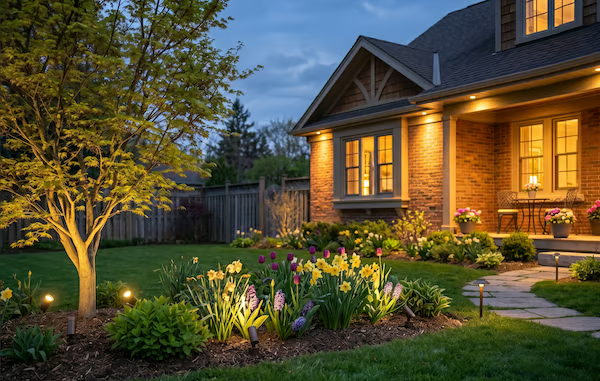
Spring is the season when outdoor spaces finally come back to life. Gardens begin blooming, trees regain their color, and homeowners start spending more time outside enjoying patios, decks, and landscaped yards. That said, it’s also one of the best times of year to upgrade your outdoor lighting . After a long winter, many landscapes can benefit from better visibility, improved curb appeal, and more functional lighting design. By adding strategically placed garden spotlights, you can better highlight the beauty of spring landscaping while creating a warm and inviting atmosphere after sunset.
Spring also offers ideal installation conditions. With milder weather, homeowners can properly plan lighting layouts before summer entertaining season arrives. Whether you want to showcase fresh flower beds or improve safety along walkways, lighting upgrades can dramatically transform the overall appearance of your outdoor space.
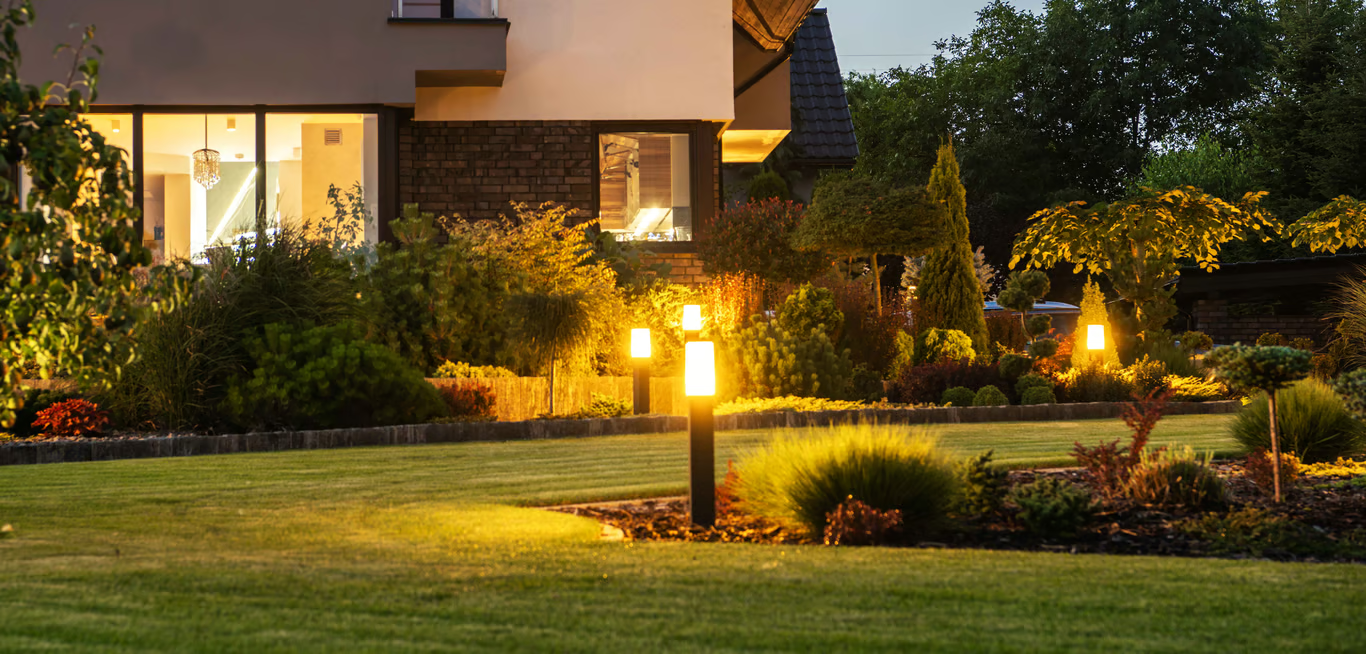
Spring landscapes are filled with texture, color, and natural focal points that deserve attention. Garden spotlights allow homeowners to extend the beauty of their landscaping into the evening while adding depth and dimension to outdoor areas. Unlike broader flood lighting, spotlights create focused illumination that draws attention to specific features. This targeted approach helps create a layered lighting effect that feels elegant rather than overwhelming.
Spring is especially ideal for spotlighting because:
Another advantage is versatility. Garden spotlights can be adjusted throughout the season as landscaping changes and plants continue to grow. Homeowners can easily reposition fixtures to highlight new blooms or adjust angles for better coverage.
One of the biggest reasons homeowners choose low voltage garden spotlights is for their balance of performance, safety, and energy efficiency. Since low voltage systems typically operate at 12 volts, they are safer for residential outdoor environments compared to standard line-voltage lighting.
Another major benefit is energy savings. Modern LED low voltage garden spotlights consume far less electricity while still delivering bright, attractive illumination. This allows homeowners to keep their landscapes beautifully lit without significantly increasing energy costs.
Some additional advantages include:
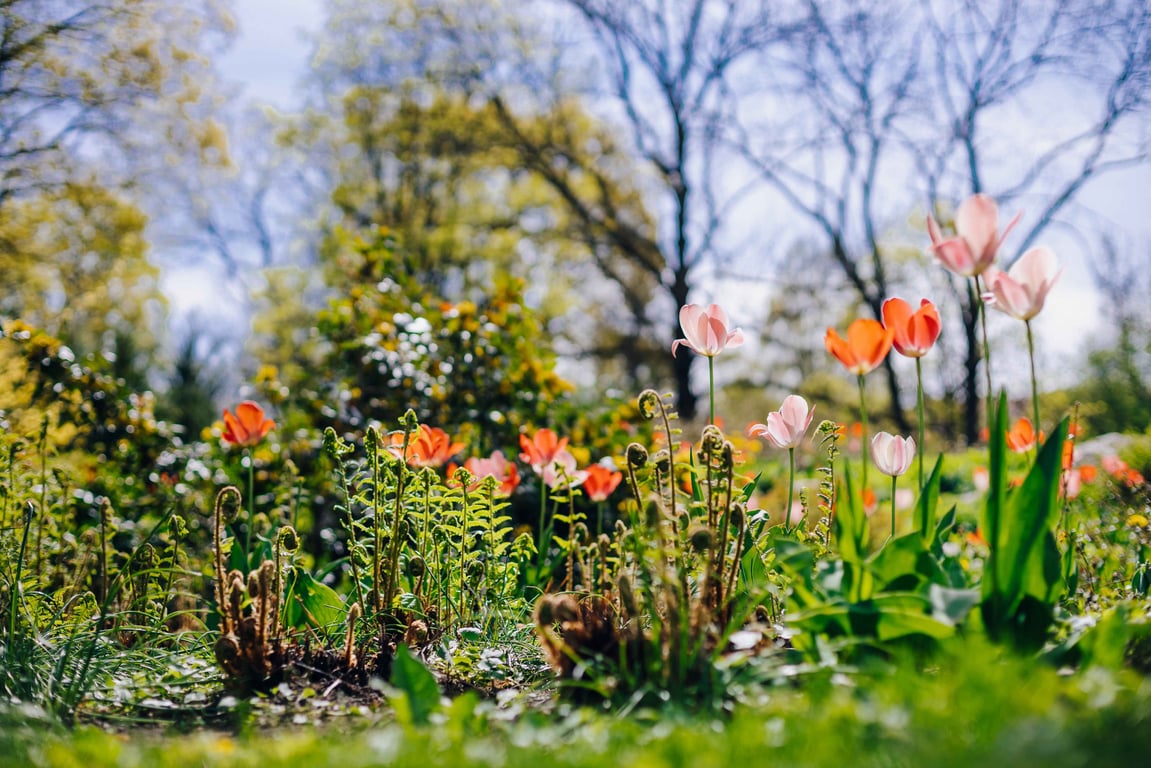
Flower beds are one of the most popular places to install garden spotlights during spring, with seasonal blooms adding vibrant color and proper lighting helping to showcase these features. Soft spotlighting placed at low angles can create gentle highlights that make flowers appear more dimensional and visually striking.
Trees and shrubs become major focal points during spring as fresh leaves and blossoms return. Uplighting larger trees with low voltage garden spotlights creates dramatic depth and elegance in outdoor spaces. For smaller ornamental trees or decorative shrubs, subtle spotlight placement can emphasize shape without overpowering the landscape.
Pathways are not only practical areas for lighting but also important design features. Properly illuminated walkways improve nighttime visibility and help guide you safely through the landscape. Carefully placed garden spotlights create a balanced functional look, especially during spring when pathways become more actively used.
Water features, statues, decorative planters, and garden walls all become more visually impactful with strategic lighting. Spotlights positioned around fountains or ponds create reflective lighting effects, while decorative garden accents benefit from focused illumination.
Even high-quality fixtures can look ineffective if positioned incorrectly. When installing garden spotlights, avoid placing fixtures directly in front of plants or features at harsh angles. Instead, experiment with softer side lighting or upward lighting to create natural-looking depth.
Spacing also matters. Too many fixtures can make a garden feel overly bright or artificial, while a more subtle approach usually creates the most elegant results.
Some useful positioning tips include:
One common mistake homeowners make is using overly bright lighting. Excessive brightness can wash out landscaping details and create glare rather than ambiance. Another issue is poor fixture placement, with lights aimed directly into seating areas or windows.
Some other mistakes include:
Here at Best Pro Lighting, we offer professional-grade outdoor lighting solutions designed to combine durability, performance, and visual appeal. Our selection of low voltage garden spotlights is built for long-term outdoor use while delivering warm, elegant lighting homeowners want for their landscapes.
With energy-efficient LED options, durable materials, and versatile designs, we make it easier for homeowners to upgrade their landscapes with confidence.
Q: Where should I place garden spotlights in spring?
A: The best places for garden spotlights include flower beds, trees, shrubs, pathways, and decorative garden features.
Q: Are low voltage garden spotlights safe for outdoor use?
A: Yes. Low voltage garden spotlights are designed specifically for outdoor environments and are considered safer than traditional line-voltage systems for residential landscaping.
Q: What color temperature is best for spring garden lighting?
A: Warm white lighting between 2700K and 3000K usually works best for spring landscapes because it creates a natural and inviting appearance.
Q: How many garden spotlights do I need?
A:The number depends on the size of your yard and which features you want to highlight. Most homeowners start with a few focal points and expand gradually.
Q: Can I install low voltage garden spotlights myself?
A: Many low voltage garden spotlights are designed for relatively simple installation, making them a popular option for DIY landscape lighting projects. However, larger or more complex systems may benefit from professional installation.

Opening Hours
Monday – Friday 7:30am - 3:30pm PST

Need Help?
Fast answers to common questions.

Stay in the Loop
Be the first to know about new arrivals, sales & tips — it's free!