Free shipping for US orders over $150
Free shipping for US orders over $150
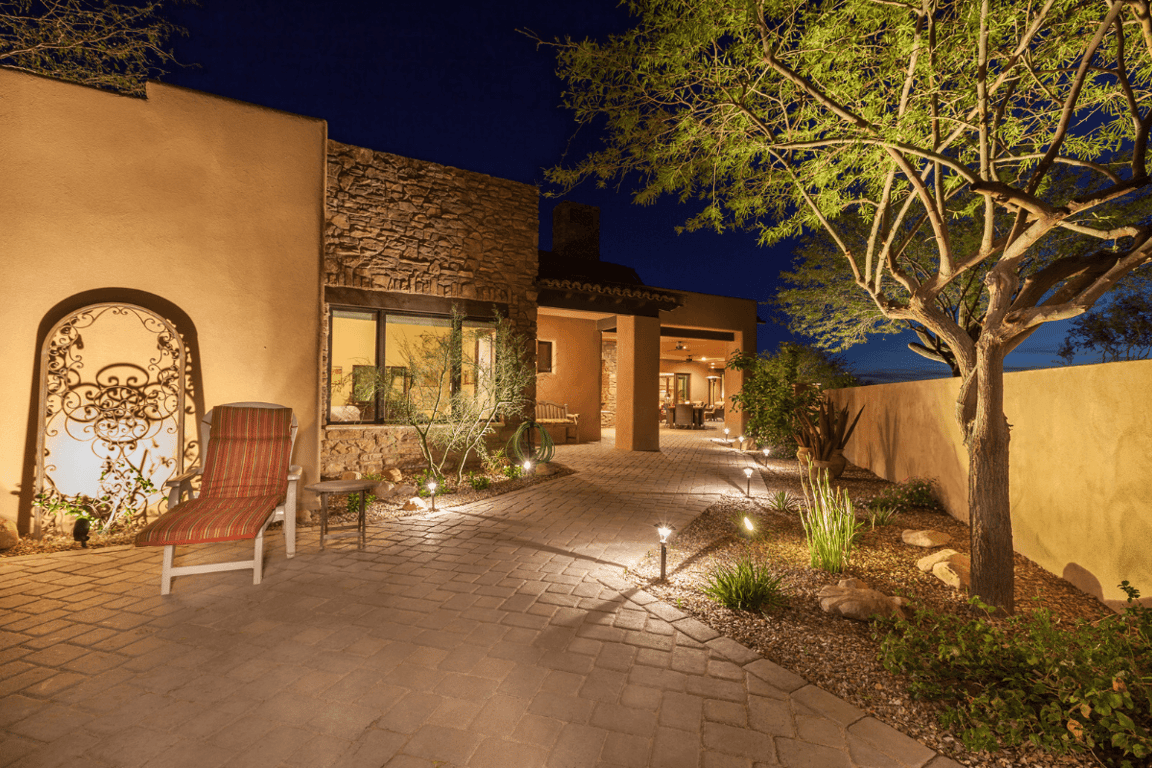
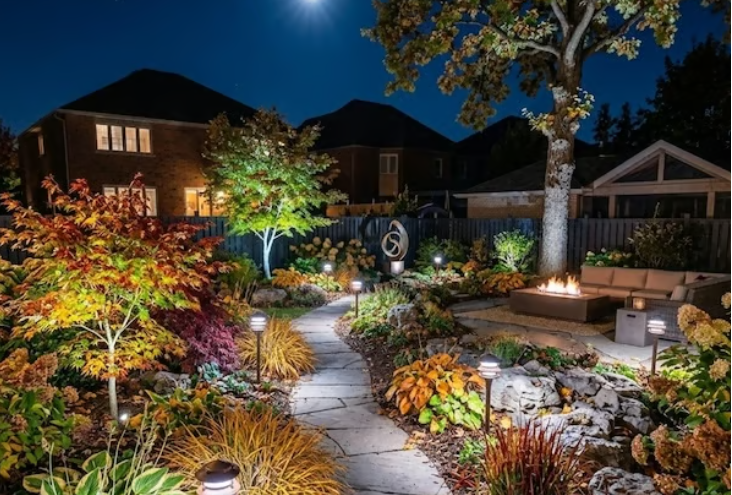
Professional landscape lighting is about more than choosing bright fixtures or installing a large number of lights around a property. A well-designed system combines durable outdoor fixtures, dependable low-voltage power, appropriate bulbs, controlled light placement, and components that work together.
For homeowners planning an upgrade, understanding what makes landscape lighting professional grade can make it easier to compare fixtures and build a system that performs well over time.
The goal is not necessarily to make an outdoor space brighter. Professional outdoor lighting should place the right amount of light where it is needed while keeping glare and unnecessary illumination under control.
There is no single feature that automatically makes a landscape lighting system professional grade. Instead, the term generally describes the overall quality of the fixtures, electrical components, design, installation, and lighting results.
A professional-quality system should be designed for permanent outdoor use and planned around the specific areas that need illumination.
That could include:
Rather than using one type of fixture everywhere, professional landscape lighting combines different fixture styles based on what each area needs.
Landscape lights remain outdoors throughout changing weather conditions, so fixture construction is one of the first things to consider.
Materials can include brass, aluminum, stainless steel, and other materials designed for outdoor applications. Best Pro Lighting, for example, offers fixtures in several materials and finishes, including brass landscape lighting for projects where both durability and appearance are important.
Material is only part of the equation. Fixture construction should also be appropriate for the intended installation location.
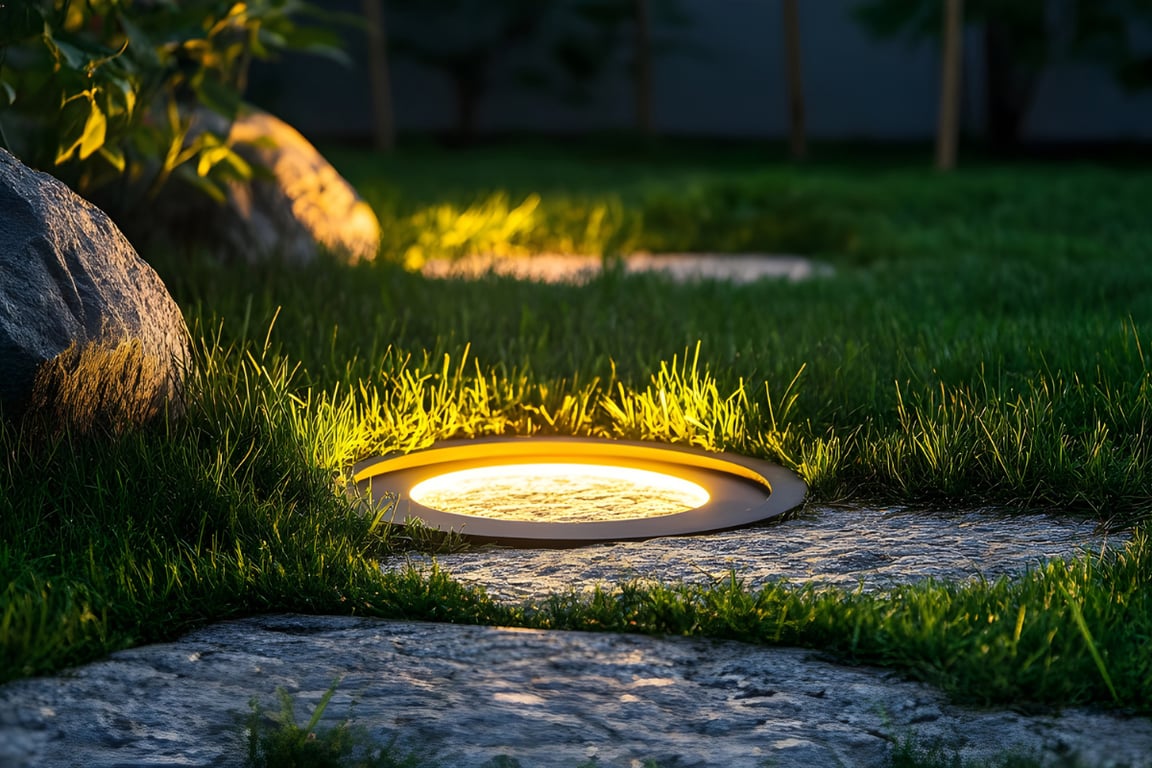
An in-ground well light faces different conditions than a path light installed above the soil. A step light mounted to a deck has different requirements than a directional fixture positioned in a planting bed.
Choose the fixture based on both its appearance and where it will actually be installed.
Many professional landscape lighting systems operate at low voltage rather than supplying standard household voltage directly to each landscape fixture.
A low-voltage transformer converts incoming power to the voltage required by compatible landscape lighting fixtures.
Choosing the transformer should be based on the total lighting load and the design of the system rather than simply choosing the largest transformer available.
Before selecting one, consider:
For larger or more complex installations, a multi-tap transformer can provide additional flexibility when managing voltage across longer cable runs.
A properly planned transformer is one of the most important differences between a coordinated landscape lighting system and a collection of unrelated outdoor lights.
Professional outdoor lighting usually involves layering several types of light.
For example, path and area lights can define walkways and garden borders, while directional landscape lights can highlight trees, walls, shrubs, and architectural details.
Other applications may call for:
Using one fixture type for every part of a landscape can create uneven results. Matching fixtures to specific tasks produces a more intentional appearance.
More light is not always better.
Professional landscape lighting depends heavily on controlling where illumination goes. A narrow directional beam can emphasize a tree trunk or column, while a wider beam may be useful for a broad wall or planting area.
Fixture placement also determines whether the light creates an attractive effect or unwanted glare.
When positioning a directional light, consider what a person will see from the driveway, walkway, patio, and windows. The bulb itself should not become the most noticeable part of the installation.
Good lighting draws attention to the landscape rather than the fixture.
The bulb also plays an important role in the finished result.
Best Pro Lighting offers several types of LED landscape bulbs, including MR16, G4, and PAR36 options for compatible fixtures.
Different bulb formats serve different purposes.
MR16 LED bulbs are commonly used when focused directional illumination is needed. G4 bulbs work well in compatible fixtures where light needs to spread around the lamp, such as many path and garden lights. PAR36 bulbs are often paired with compatible well-light fixtures for larger uplighting applications.
Professional-grade results come from matching the bulb to the fixture and lighting purpose rather than simply choosing the highest output available.
Color temperature also matters. Keeping similar areas at a consistent color temperature helps the landscape feel coordinated instead of looking like unrelated fixtures were installed at different times.
Integrated LED fixtures can be useful for some applications, but replaceable-bulb fixtures offer another advantage: the bulb can often be changed without replacing the entire fixture.
This may make it easier to adjust brightness, replace a failed lamp, or change the lighting characteristics later, provided the replacement bulb is compatible with the fixture.
A professional system should also be planned with future maintenance in mind.
Ask practical questions such as:
Thinking about maintenance during installation can prevent unnecessary work later.
A professional landscape lighting system should not look like lights were placed at equal intervals simply because space was available.
Placement depends on the purpose of each fixture.
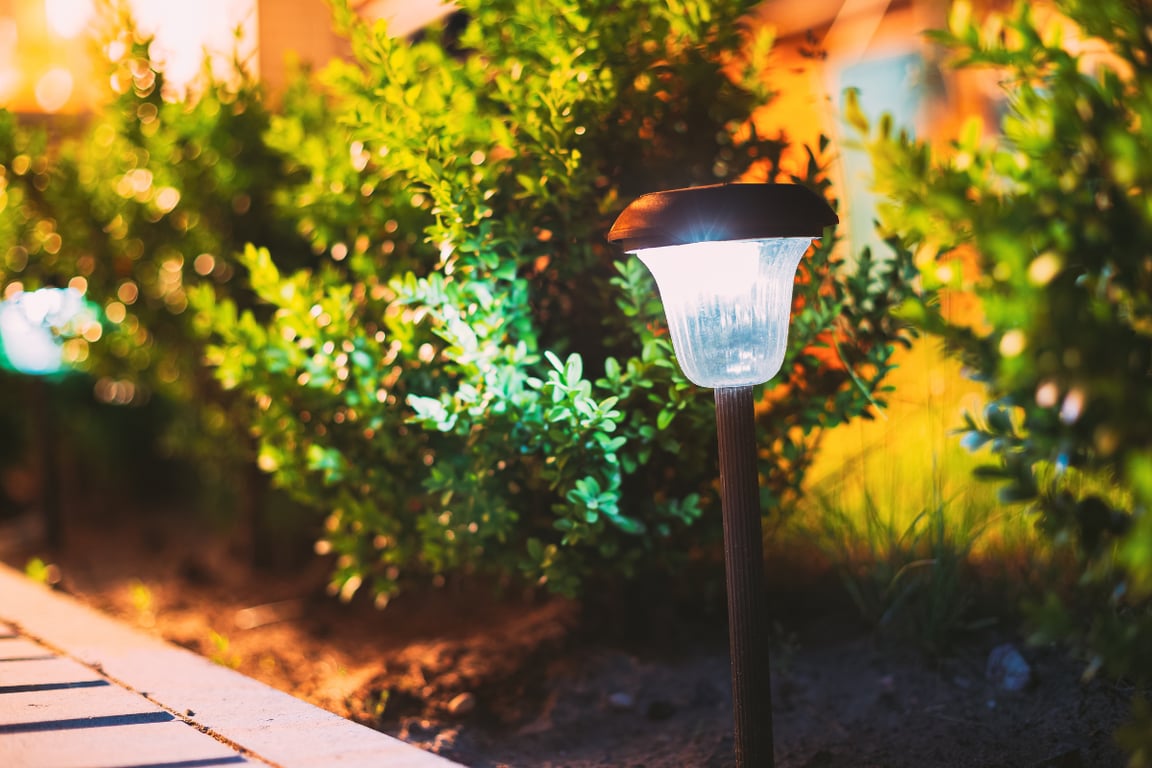
Path lights, for instance, do not always need to form matching rows. Staggering them can create softer illumination and avoid a runway appearance.
Directional lights should be positioned based on the feature being illuminated. A large tree may need a different fixture position than a small ornamental tree. Architectural lighting may require experimenting with distance and beam angle before securing the final placement.
Testing the system after sunset is one of the easiest ways to improve the result. Move fixtures as needed before treating the layout as permanent.
One of the biggest differences between basic outdoor lighting and a polished design is the use of darkness.
Every part of the yard does not need the same brightness.
Instead, light selected areas while allowing others to remain darker. This creates contrast and gives the landscape depth.
For example, a front-yard design might use softer path lighting leading toward the entrance, stronger accent lighting on a mature tree, and subtle illumination around architectural details.
The result feels more deliberate than placing equally bright fixtures throughout the property.
Outdoor spaces change.
Trees grow, garden beds are redesigned, patios are added, and homeowners may eventually want to illuminate another part of the property.
When planning a new system, consider whether expansion could be useful later. Transformer capacity, cable routes, and fixture selection can all affect how easily additional lighting can be incorporated.
For homeowners starting from scratch, low-voltage landscape lighting can be planned in stages. Start with the areas that provide the greatest functional or visual benefit, then expand the system when necessary.
Professional-grade components make the most sense when you want a permanent landscape lighting system rather than temporary decorative illumination.
Quality fixtures, appropriate bulbs, a properly selected transformer, thoughtful placement, and a coordinated design can make the system easier to maintain and produce more consistent results.
That does not mean every landscape requires expensive fixtures everywhere. The more important goal is choosing products that are appropriate for their location and using them effectively.
Start by identifying what you want to accomplish instead of immediately choosing fixtures.
Walk around the property during the day and again after dark. Look for areas that need better visibility and landscape features worth emphasizing.
Then determine which fixture type fits each purpose.
Use path lighting where people need guidance, directional fixtures where you want controlled accent lighting, step lights around elevation changes, and well lights where discreet ground-level uplighting makes sense.
Finally, make sure the transformer, wiring, bulbs, and fixtures are compatible with one another.
Best Pro Lighting offers low-voltage outdoor lighting, transformers, LED bulbs, and accessories that can be combined to build a coordinated system for residential and commercial landscape projects.
Q: What is professional landscape lighting?
A: Professional landscape lighting generally refers to a coordinated outdoor lighting system that uses appropriate fixtures, low-voltage components, suitable bulbs, thoughtful placement, and controlled illumination. The goal is to create reliable lighting that improves the appearance and function of the outdoor space.
Q: What type of landscape lighting do professionals use?
A: The fixture type depends on the application. Path lights can illuminate walkways, directional lights can highlight trees and architecture, step lights can improve visibility around stairs, and well lights can provide low-profile uplighting.
Q: Is low-voltage lighting considered professional grade?
A: Low-voltage lighting is widely suited to permanent landscape lighting systems when the fixtures, transformer, wiring, and installation are properly matched. The voltage alone does not determine quality. Fixture construction and system design are also important.
Q: What makes a landscape light high quality?
A: Look at the fixture material, outdoor suitability, bulb or LED design, construction, compatibility with the rest of the system, and how easily the fixture can be maintained. A high-quality fixture should also provide the type of light needed for its intended location.
Q: Are brass landscape lights better?
A: Brass can be a good choice for outdoor landscape lighting because it is a substantial material and develops a natural patina as it ages. However, the best material depends on the installation environment, project requirements, appearance, and budget.
Q: How long should professional landscape lighting last?
A: There is no single lifespan for an entire system because bulbs, fixtures, transformers, wiring, connections, weather exposure, and maintenance all affect longevity. Choosing components intended for permanent outdoor use and maintaining the system regularly can help extend its useful life.
Professional landscape lighting comes from treating the property as a complete lighting system rather than a collection of individual fixtures.
Start with durable fixtures, use the right light for each application, select an appropriately sized transformer, control beam direction, and plan for future maintenance. The result can provide better visibility after dark while highlighting the features that make the landscape distinctive.
Explore Best Pro Lighting's selection of LED landscape lighting to find path lights, directional fixtures, well lights, step lights, bulbs, transformers, and other components for your next outdoor lighting project.

Opening Hours
Monday – Friday 7:30am - 3:30pm PST

Need Help?
Fast answers to common questions.

Stay in the Loop
Be the first to know about new arrivals, sales & tips — it's free!