Free shipping for US orders over $150
Free shipping for US orders over $150
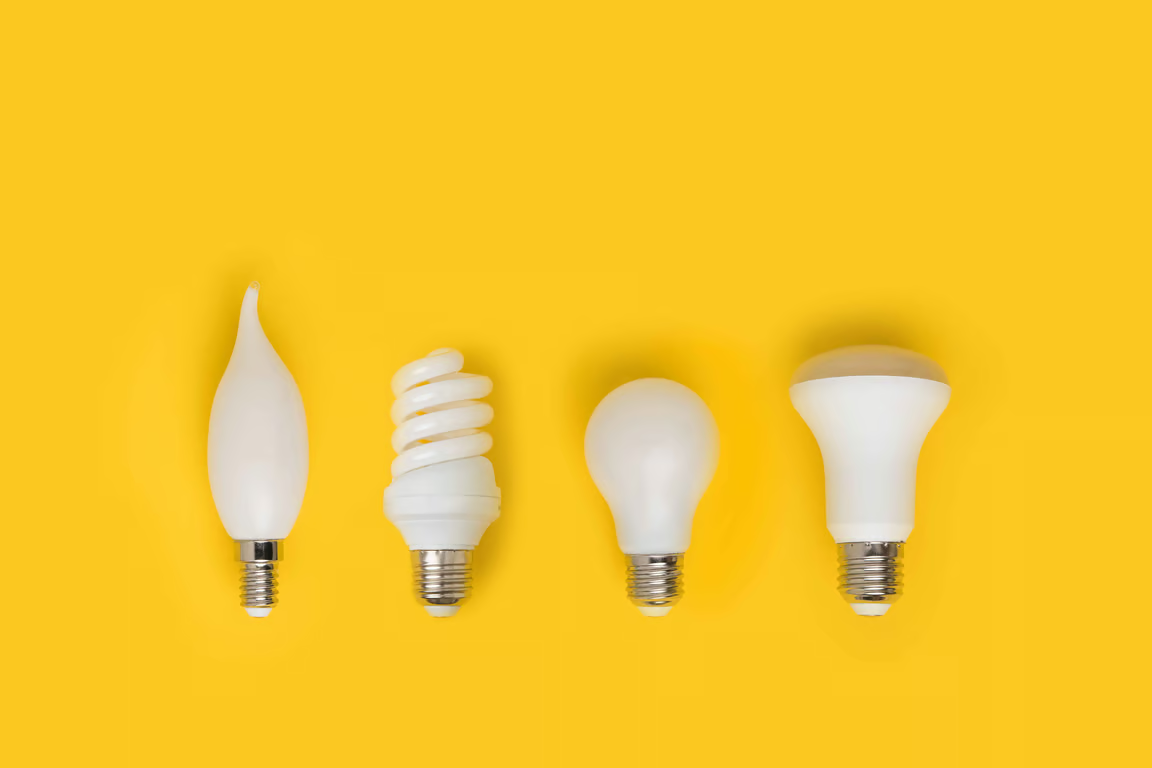
Choosing the right light bulb can significantly impact energy efficiency, cost savings, and the overall ambiance of your space. Over the years, three primary types of bulbs have dominated the market: incandescent light bulbs, CFL light bulbs, and LED light bulbs. Each has its strengths and weaknesses, making it essential to compare their performance in different settings. Are you ready to explore the differences between incandescent bulb, CFL, and LED bulbs to help you determine the best lighting solution?
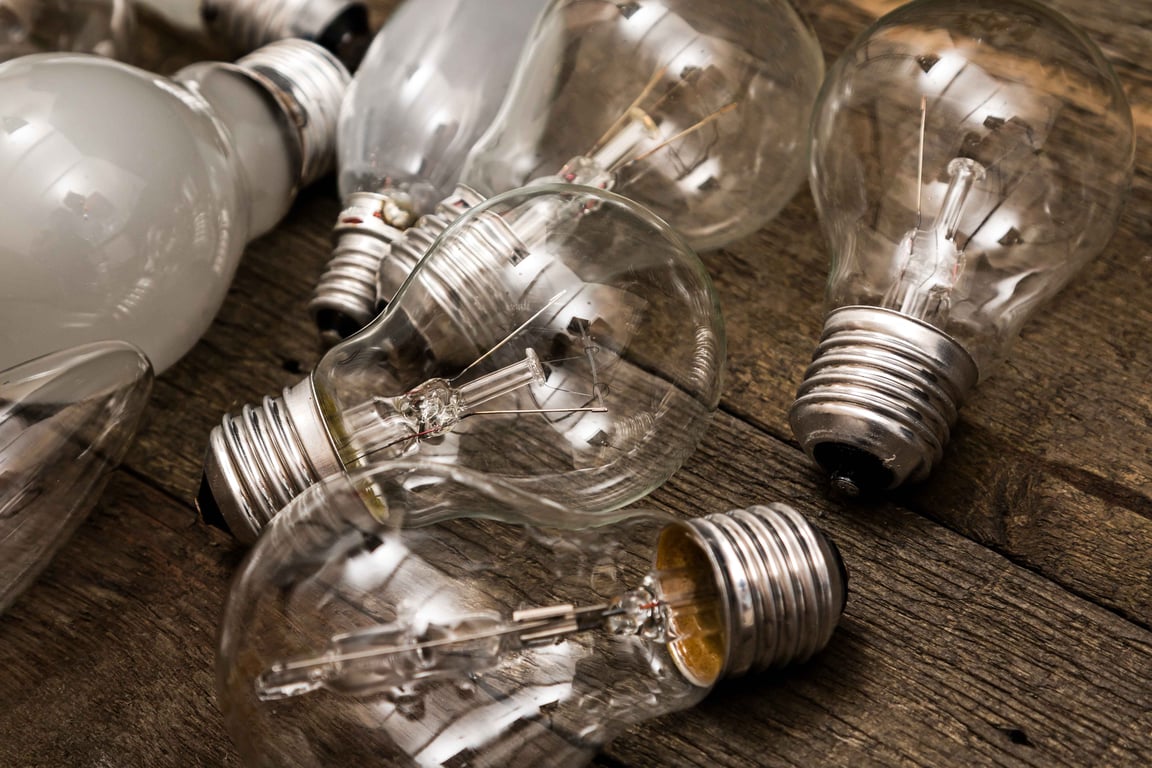
Incandescent light bulbs have been around for over a century, providing warm, natural lighting. These bulbs function by passing an electric current through a filament, which heats up and produces light. Many homeowners love the soft, inviting glow, especially for decorative purposes when using antique incandescent light bulbs.
Pros:
Cons:
Despite their nostalgic charm, incandescent bulbs are being phased out in favor of more energy-efficient options like LEDs and CFL bulbs.
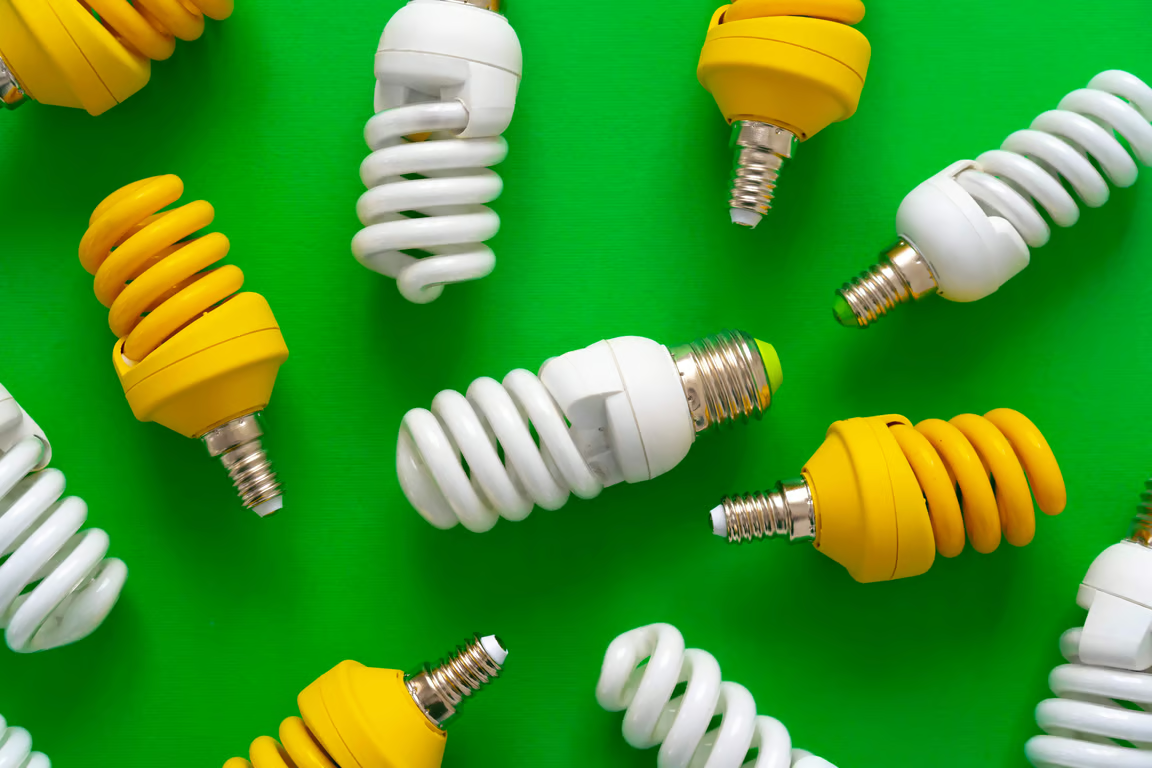
Compact Fluorescent Light (CFL) bulbs were introduced as an energy-efficient alternative to incandescent bulbs. These bulbs use gas and phosphor coatings to produce light when electricity is applied. CFL bulbs consume significantly less energy than incandescent bulbs and last much longer.
Pros:
Cons:
If you’re wondering “what is a CFL bulbs and how to dispose of CFL bulbs” the answer is straightforward: CFL bulbs must be recycled at designated drop-off locations due to their mercury content.
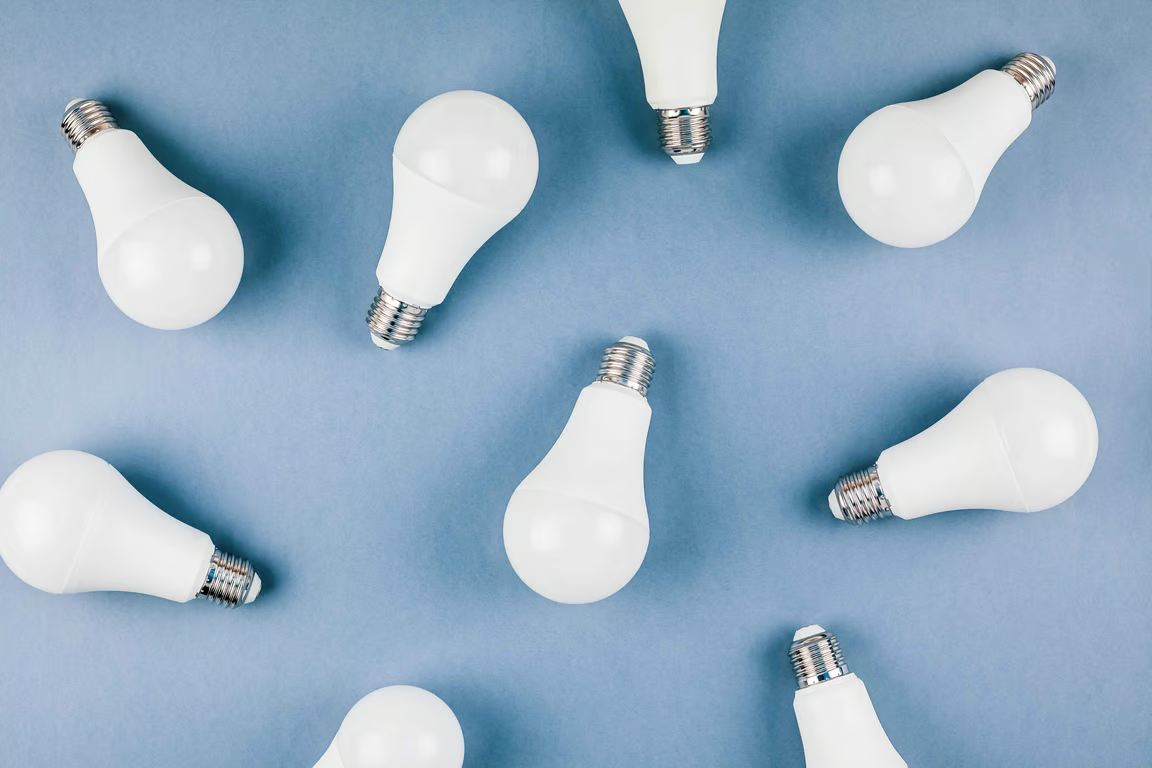
Light Emitting Diode (LED) technology has revolutionized the lighting industry. LED light bulbs are the most energy-efficient option, lasting significantly longer than both incandescent and CFL bulbs.
Pros:
Cons:
LED bulbs are especially useful in outdoor applications—outdoor LED bulbs provide bright, efficient lighting for porches, gardens, and pathways. Additionally, outdoor LED light bulbs withstand harsh weather conditions, making them ideal for exterior use. When it comes to automotive lighting, the best LED headlight bulbs offer superior brightness and longevity compared to traditional halogen options.
When comparing the energy efficiency of these three types of bulbs, LED bulbs are the clear winner. Incandescent light bulbs consume the most energy, followed by CFL bulbs, with LED bulbs using the least. Replacing incandescent bulbs with LEDs can lead to substantial energy savings over time.
One of the major advantages of LED light bulbs is their long lifespan. While incandescent bulbs last around 1,000 hours and CFL bulbs around 10,000 hours, LEDs can last up to 50,000 hours. This means fewer replacements and reduced maintenance costs.
CFL light bulbs contain mercury, making proper disposal especially important. If a CFL bulb breaks, it also can release harmful vapors, requiring a more careful cleanup process. In contrast, LED bulbs do not contain hazardous materials and are fully recyclable.
While LED bulbs have a higher initial cost, their energy efficiency and long lifespan make them the most cost-effective option over time. While CFL bulbs offer moderate savings, incandescent bulbs, despite their low upfront cost, result in higher electricity bulbs and frequent replacements.
When comparing CFL vs incandescent light bulbs vs LED, LED stands out as the best choice for efficiency, longevity, and sustainability. While antique incandescent light bulbs may still hold aesthetic appeal, and CFL bulbs offer an affordable middle ground, LED light bulbs provide the most benefits in terms of energy savings, environmental impact, and durability. Whether you need outdoor LED bulbs, the best LED headlight bulbs, or simply a cost-effective lighting solution for your home, LEDs are the ideal investment for your future lighting schemes.
Q: What is the difference between LED and incandescent bulbs?
A: The main difference between LED and incandescent bulbs is how they produce light and use electricity. Incandescent bulbs heat a filament until it glows, releasing much of their energy as heat. LED bulbs use semiconductor technology to produce light more efficiently, operate at lower temperatures, and generally last much longer.
Q: Incandescent vs. LED: Which bulb is more energy-efficient?
A: In an incandescent vs. LED comparison, LED bulbs are considerably more energy-efficient. They require less electricity to produce a similar amount of visible light, which can reduce energy consumption and long-term operating costs. Incandescent bulbs may cost less initially, but they use more power and usually require more frequent replacement.
Q: Incandescent light bulb vs. LED: Which one lasts longer?
A: When comparing an incandescent light bulb vs. LED, the LED typically has a much longer service life. Traditional incandescent bulbs burn out when their filaments fail, whereas LED bulbs usually become gradually dimmer over time. Product quality, ventilation, fixture design, and operating temperature can all affect the actual lifespan of an LED bulb.
Q: CFL vs. LED: which is the better choice?
A: In a CFL vs. LED comparison, both options consume less electricity than traditional incandescent bulbs. However, LEDs generally last longer, reach full brightness immediately, produce less heat, and work well in a wider variety of applications. CFLs can still provide efficient illumination, but they contain a small amount of mercury and should be recycled or disposed of according to local guidelines.
Q: LED vs. CFL Bulbs: is there a difference in brightness?
A: Both bulb types can provide similar brightness when they have comparable lumen ratings. When comparing LED vs. CFL bulbs, look at lumens rather than wattage. Lumens measure visible light output, while watts measure electricity consumption. LEDs often provide comparable brightness with lower power use and without the warm-up period associated with some CFL bulbs.
Q: What Is the alternative to LED light bulbs?
A: Common options for anyone wondering what is the alternative to LED light bulbs include CFL, halogen, and incandescent bulbs. CFLs are more efficient than traditional incandescent bulbs but require careful disposal because they contain mercury. Halogen and incandescent bulbs can provide warm light and reliable dimming performance, but they typically use more electricity and produce more heat than LEDs.
Q: Can Incandescent or CFL bulbs be replaced with LED bulbs?
A: In many fixtures, incandescent and CFL bulbs can be replaced with compatible LED bulbs. Check the bulb base, voltage, lumen output, fixture size, and maximum wattage rating before making the change. For dimmable or enclosed fixtures, select an LED bulb specifically rated for that application to reduce the risk of flickering, overheating, or a shortened bulb life.

Opening Hours
Monday – Friday 7:30am - 3:30pm PST

Need Help?
Fast answers to common questions.

Stay in the Loop
Be the first to know about new arrivals, sales & tips — it's free!