Free shipping for US orders over $150
Free shipping for US orders over $150
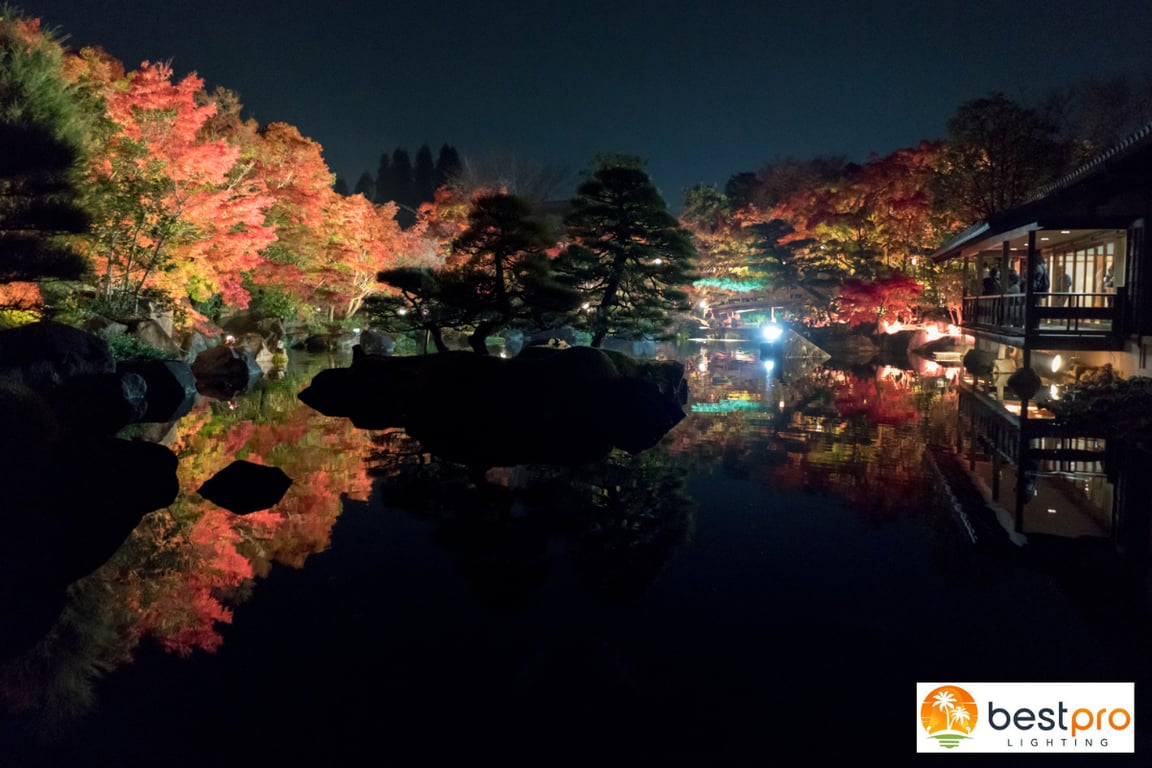
Pond lighting can completely transform an outdoor space after sunset. Clean, well-maintained fixtures help highlight water movement, illuminate landscape features, and create a more polished backyard setting. But when dirt, algae, mineral deposits, and debris build up on your lights, the effect quickly fades. Learning how to properly clean pond lights is one of the best ways to protect your investment and keep your water feature looking its best.
For homeowners in California and across the United States, routine maintenance matters because outdoor fixtures are exposed to dust, pollen, hard water, sun, and plant debris. This is especially true for outdoor pond lights, which often sit close to the waterline or remain fully submerged for long periods. Whether you use accent fixtures around the edge of your pond or underwater pond lights to create a dramatic glow beneath the surface, proper cleaning helps maintain brightness, clarity, and long-term performance.
Pond lights are constantly exposed to moisture and organic buildup. Over time, algae, grime, hard-water stains, and debris can accumulate on the lens and housing. When that happens, your fixtures will not shine as brightly, and your pond can start to look dim or unevenly lit.
Regular cleaning also gives you the chance to inspect your fixtures for wear. If you use outdoor LED pond lights, keeping the lens clean helps preserve the crisp, efficient light output LEDs are known for. If you have pond lights underwater, maintenance is even more important because buildup and water exposure can hide signs of damage until the fixture starts to fail.
Clean fixtures not only improve appearance, but also support safer, more reliable operation.
Before cleaning any pond light, always turn off the power completely. Shut the fixture off at the switch and, if possible, at the breaker. Water and electricity are never a safe combination, so this step should never be skipped.
If you are handling pond light underwater fixtures, make sure all power is disconnected before removing the light from the pond or touching the wiring. Do not attempt to wipe, adjust, or inspect submerged lights while they are still powered.
If your fixture is removable, remove it from the pond slowly and place it on a soft towel or a clean surface. This allows you to inspect the housing and lens more closely. Some pond lights underwater are designed for easy removal during routine maintenance, while others may need to stay in place depending on the installation.
For lights installed around the pond edge, clear away mulch, leaves, grass clippings, and dirt before cleaning the fixture body.
Start with a dry microfiber cloth or a very soft brush. Gently remove loose debris from the lens, housing, and bracket. This helps prevent scratching once you begin wet cleaning.
For outdoor pond lights, it is common to find spider webs, algae residue, dust, and bits of plant material around the fixture. In California landscapes, you may also notice mineral residue from irrigation or evaporation, especially during warmer months.
The lens is the most important part of the fixture to clean because it has the biggest effect on brightness and beam clarity. Use warm water with a small amount of mild dish soap and wipe the lens gently with a soft cloth or sponge.
Avoid using abrasive pads, harsh chemicals, bleach, or rough brushes. These can scratch the surface or damage the finish. This is particularly important for outdoor LED pond lights, since a scratched or cloudy lens can reduce the clean, good effect LED fixtures are designed to provide.
If the buildup is stubborn, let the soapy water sit on the lens for a minute before wiping again. Gentle repeated cleaning is safer than aggressive scrubbing.
One of the biggest issues with underwater pond lights is algae growth and mineral staining. A green film or chalky white residue can develop on the lens and body over time, especially in sunny areas or places with hard water.
To clean this safely, use a soft sponge or microfiber cloth, then rinse with mild soapy water. Be patient and avoid using strong cleaners that could damage the fixture or affect pond water quality. This is one of the most important habits for homeowners seeking long-lasting outdoor pond lighting that remains attractive year-round.
Once the light is clean, inspect it carefully. Look for cracked lenses, worn seals, loose screws, frayed wiring, or signs of moisture inside the fixture. For pond lights underwater, the seal is especially important because any weakness can allow water to enter the housing and damage the electrical components.
If you notice condensation, rust, or flickering performance, the fixture may need repair or replacement. Cleaning is a good time to catch these issues before they become bigger problems.
After the fixture is clean and dry, place it back in position. Check the angle and direction of the beam to achieve the best effect. If you are updating your layout or exploring outdoor pond lighting ideas, aim the light toward waterfalls, natural stone, aquatic plants, or areas where you want stronger reflection and depth.
Clean, properly positioned outdoor pond lights can completely improve the nighttime appearance of your water feature.
Most pond lights should be cleaned every one to three months, depending on the environment. If your pond gets a lot of sunlight, algae growth, pollen, dust, or hard water buildup, you may need to clean the fixtures more often.
In California, dry conditions, landscaping debris, and mineral-heavy water can all lead to faster buildup. Routine maintenance helps your outdoor LED pond lights stay brighter and last longer.
Q: How do I clean outdoor pond lights safely?
A: Turn off the power first, then remove loose dirt and wipe the fixture with a soft cloth, warm water, and mild soap. Avoid abrasive materials and harsh chemicals.
Q: Can I clean underwater pond lights without removing them?
A: Some fixtures can be lightly cleaned in place, but removing them is usually the better option. It allows for a more thorough cleaning and gives you a chance to inspect the lens, seal, and wiring.
Q: What is the best way to clean outdoor LED pond lights?
A: Use a microfiber cloth or soft sponge with warm, soapy water. Outdoor LED pond lights should be cleaned gently to protect the lens and preserve brightness.
Q: Why do pond lights underwater get cloudy?
A: Cloudiness is usually caused by algae, mineral deposits, dirt, and hard water buildup. Regular cleaning helps restore a clear, bright light output.
Q: How often should pond lights underwater be cleaned?
A: Most should be cleaned every one to three months. In ponds with heavy algae growth or lots of debris, monthly cleaning may be best.
Q: What should I avoid when cleaning pond lights?
A: Avoid bleach, strong chemical cleaners, abrasive scrubbers, and cleaning the fixture while it is still connected to power.
Q: Do clean pond lights really make a difference?
A: Yes. Clean lenses improve brightness, beam clarity, and the overall look of your pond. They also help you catch maintenance issues early.
Proper maintenance keeps your pond lighting system looking bright, clean, and professional. By taking the time to clean your outdoor pond lights properly, you can improve performance, extend fixture life, and enjoy a more beautiful backyard water feature all season long.

Opening Hours
Monday – Friday 7:30am - 3:30pm PST

Need Help?
Fast answers to common questions.

Stay in the Loop
Be the first to know about new arrivals, sales & tips — it's free!