Free shipping for US orders over $150
Free shipping for US orders over $150
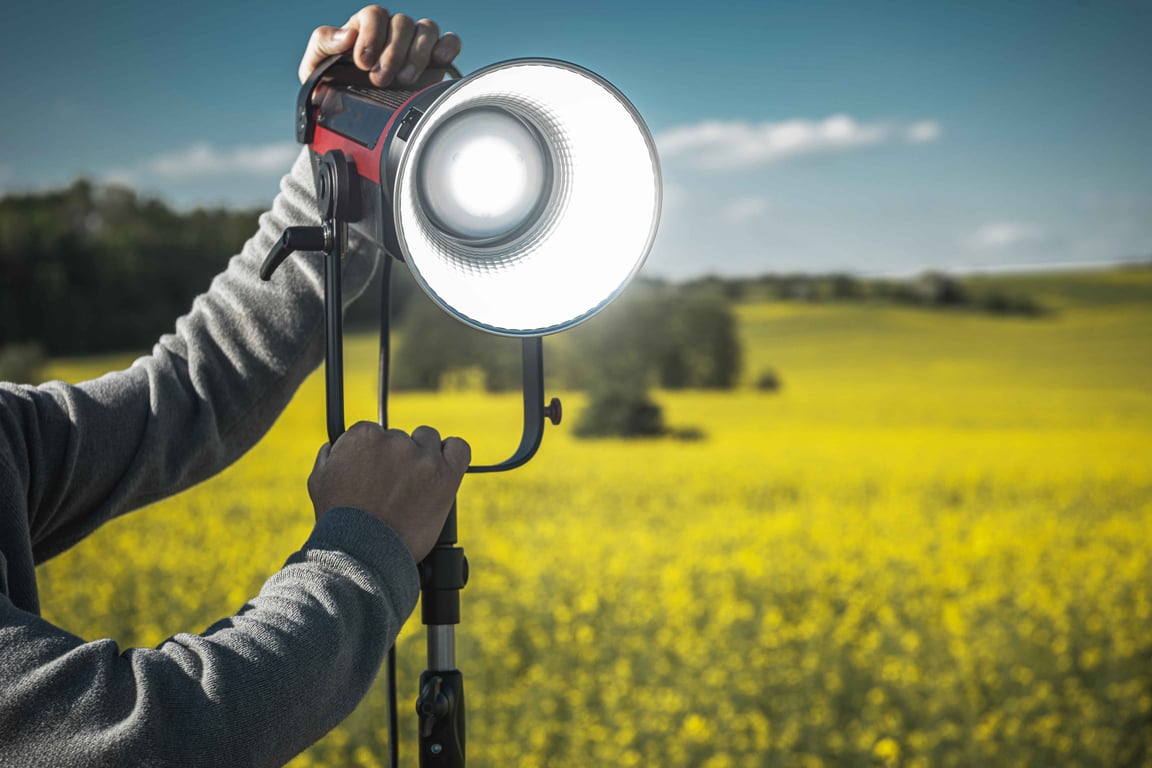
Choosing the best wattage for outdoor lights depends on where the light will be installed, how much area it needs to illuminate, the type of fixture, and the brightness you want. Whether you are planning outdoor LED landscape lighting, replacing low-voltage light bulbs, or comparing fixtures for a pathway, porch, garage, or garden, wattage is only one part of choosing the right light.
For modern LED lighting, wattage tells you how much electrical power the light uses, while lumens tell you how much visible light it produces. Because LEDs can provide useful brightness with relatively low power consumption, the typical wattage for outdoor lights can be much lower than many homeowners expect.
If you are asking how many watts for an outdoor light, a useful starting point is approximately 3 to 10 watts for many path and area lights and landscape fixtures, around 6 to 10 watts for many porch-light bulbs, and 15 to 30 watts or more for fixtures designed to cover larger areas. LED flood lights may use 20 watts or more depending on the fixture and required coverage.
Best Pro Lighting also offers outdoor LED bulbs, directional landscape lighting, step and deck lights, and low-voltage transformers for building a complete outdoor lighting system.
What wattage for outdoor LED lights should you choose? Start with the purpose of the fixture instead of selecting a light based on wattage alone. A small path light does not need the same output as a fixture illuminating a driveway, and a landscape spotlight may need concentrated light rather than broad coverage.
The following ranges can be used as general starting points:
These are starting points rather than strict requirements. Two LED fixtures with the same wattage can produce different amounts of light. Always compare lumens, beam angle, voltage, and individual product specifications.
Understanding outdoor light wattage becomes easier once you separate watts from lumens. Watts measure electrical power consumption. Lumens measure the amount of visible light produced.
Older incandescent bulbs caused many people to associate higher wattage with greater brightness. LED technology makes wattage a less reliable way to compare brightness because LEDs can produce considerable light while consuming fewer watts.
For example, a traditional 60-watt incandescent bulb is commonly associated with approximately 800 lumens. An LED can produce similar brightness while using significantly fewer watts.
This means the best wattage for an outdoor light bulb should not be selected from wattage alone. Compare the lumen rating, voltage, beam spread, fixture requirements, and intended use.
For additional information about watts and brightness, read our guide on how many lumens are in a 60-watt bulb, or browse our selection of LED landscape bulbs.
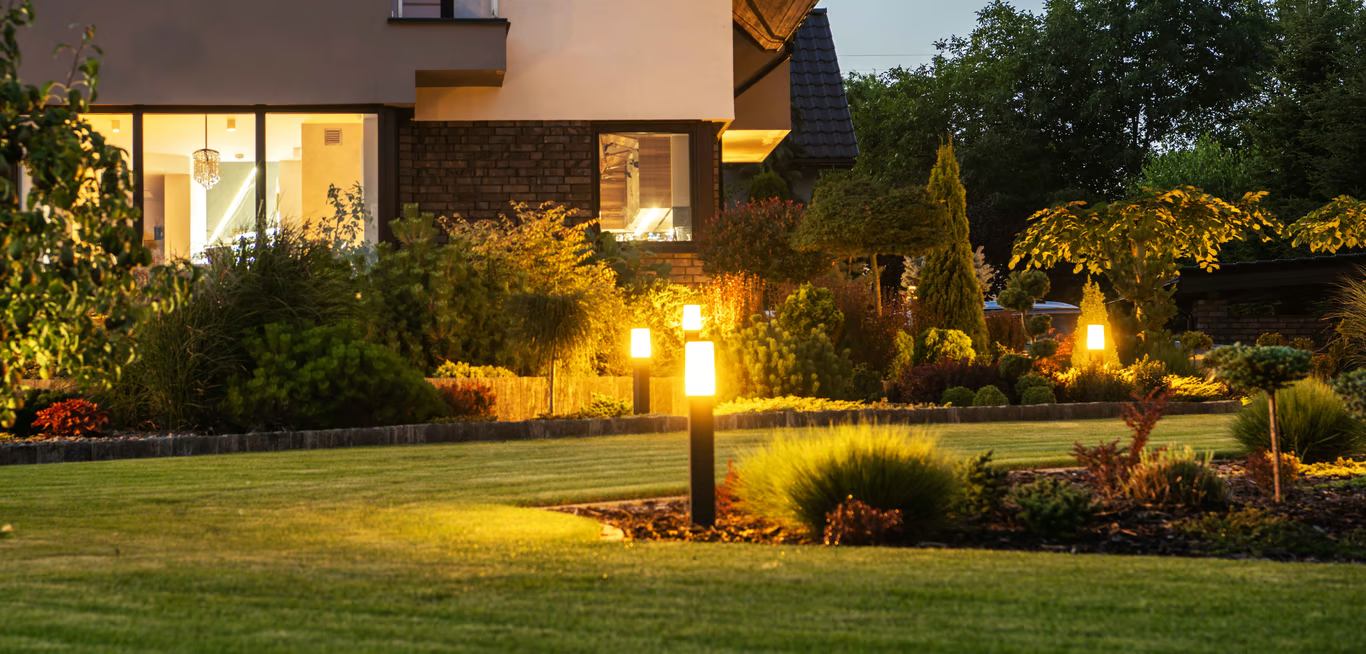
If you are unsure how to know what wattage light bulb to use, begin with the fixture itself. Check the voltage, socket or bulb type, maximum permitted wattage, and whether the bulb is suitable for the conditions where the fixture is installed.
People commonly ask what watt light bulb for an outside light or what wattage bulb for an outside light fixture they should buy. The answer depends on the individual fixture and its purpose rather than simply whether it is located outdoors.
When replacing an older bulb with an LED, compare the required brightness rather than looking for an LED that uses the same number of watts. You can compare replacement options in Best Pro Lighting's low-voltage light bulb collection.
The recommended wattage for outdoor lights changes depending on what each fixture needs to accomplish. Pathways, gardens, porches, garages, driveways, and landscape features all require different levels and patterns of illumination.
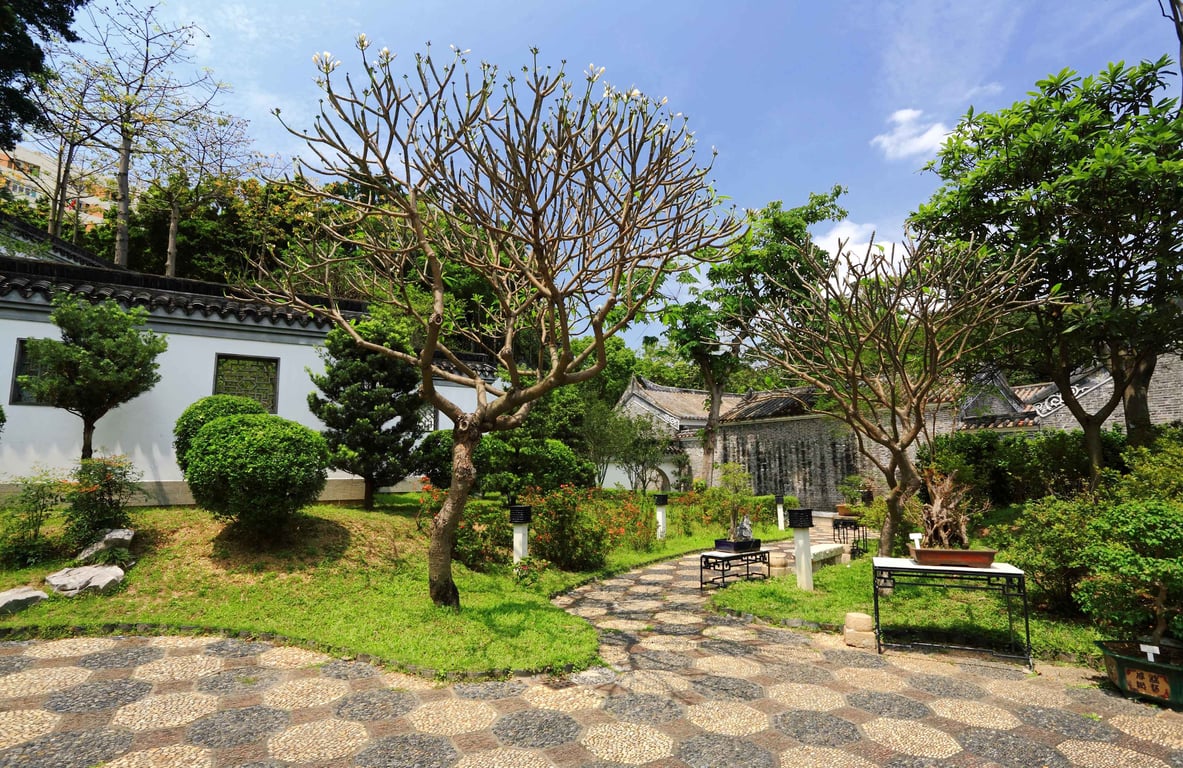
Pathway and garden lighting generally does not require high wattage. The goal is to provide useful illumination along walking areas and landscaping without creating distracting glare or overly bright areas.
Many low-voltage LED pathway lights use approximately 3 to 10 watts per fixture. Several lower-wattage fixtures positioned properly can often distribute light more effectively than one brighter fixture.
For pathways, consider Best Pro Lighting's 3W LED Bollard Path Light in Rust Finish. You can also browse the complete path and area lighting collection to compare different fixture styles.
Well lights can also use low-wattage LED bulbs. Best Pro Lighting's 3.6W PAR 36 LED Bulb 12V is an option for compatible low-voltage applications.
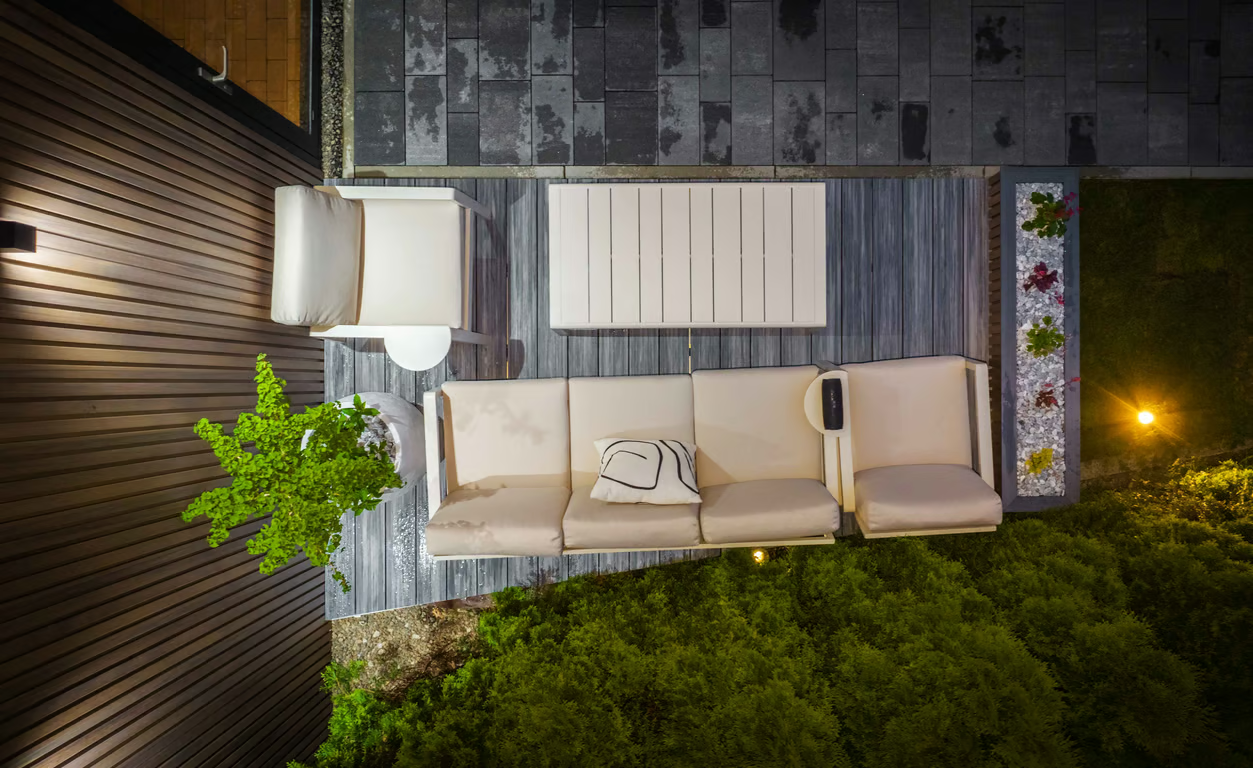
The best wattage for a porch light depends on the size of the entrance, the number of fixtures, their position, and the amount of brightness required. For many porch fixtures using replaceable LEDs, a bulb around 6 to 10 watts can provide useful output, but the lumen rating should remain your main brightness reference.
When deciding what wattage for outdoor porch lights to use, consider everything the lighting needs to cover. A front entrance may include a doorway, house numbers, stairs, railings, seating, or a walkway.
The best wattage for outdoor porch lights can also change when several fixtures are used together. Two wall fixtures combined with step or landscape lights may each require less brightness than one fixture expected to illuminate the entire entrance.
If you are searching for the best wattage for a front porch light, avoid choosing the highest-wattage bulb simply because it is available. Excessive brightness near eye level can create uncomfortable glare.
Best Pro Lighting's LED Step / Deck Light BPL400-BLK can add controlled illumination around steps and deck areas. Another option is the LED Brass Step / Deck Light.
You can also compare all available outdoor step and deck lights.
The best wattage for outdoor garage lights generally needs to account for a larger area than porch or pathway lighting. Garage fixtures may need to illuminate the garage entrance, surrounding driveway, vehicles, and nearby walking areas.
LED fixtures in the 15- to 30-watt range can be a useful starting point for broader coverage. The appropriate wattage still depends on lumen output, mounting height, beam spread, fixture design, and how many lights are being installed.
A garage with two fixtures positioned on opposite sides of the door may not need the same wattage per fixture as a garage relying on one centrally positioned light.
For wider areas, consider LED flood lighting. For surrounding walkways or landscaped areas, you can combine broader illumination with path lights or directional landscape lights.
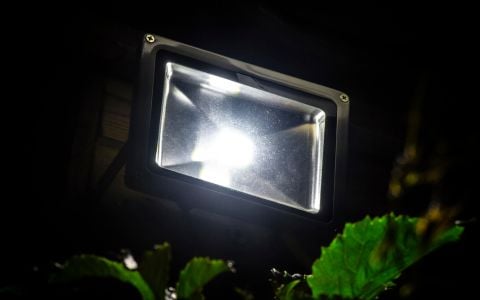
Flood light wattage is generally higher because floodlights are designed to illuminate broader areas. Depending on the fixture and coverage required, an LED flood light may use approximately 20 to 50 watts.
Choosing the best wattage for an outdoor flood light requires more than comparing watts. A properly positioned 20-watt fixture with the right beam angle may provide better usable coverage than a more powerful fixture aimed poorly.
Best Pro Lighting's Integrated 20W LED Low Voltage Flood Light in Rust Finish is one option for broad landscape illumination.
Another option is the BPL100 Low Voltage Landscape Flood Light. You can also compare additional products in the LED flood light collection.
How many watts for landscape lighting you need depends on what you are illuminating. Small plants, pathways, walls, architectural details, mature trees, and large landscape features all require different light levels and beam patterns.
For many low-voltage landscape applications, LED bulbs and integrated fixtures operate at relatively low wattages. A landscape spotlight, for example, may use an LED MR16 bulb in the 3W, 6W, or 9W range.
Lower-wattage bulbs can work well for subtle accent lighting. Higher-output options may be more appropriate when illuminating a tall tree, larger wall, or feature from a greater distance.
If you are planning uplighting or accent lighting, browse Best Pro Lighting's directional landscape lighting and LED landscape bulbs.
When considering landscape spotlight wattage, beam angle is especially important. A narrow beam concentrates available light on a smaller area, while a wider beam distributes it across a larger feature.
This means a higher-wattage bulb is not always required to make a landscape feature more noticeable. Choosing the appropriate beam angle and placing the fixture at the right distance can often produce a better result.
Browse outdoor landscape spotlights to compare fixture options for directional and accent lighting.
When choosing the best light bulb for an outdoor lamp post, begin with the specifications of the existing fixture rather than looking only at wattage.
Check the base type, voltage, maximum permitted wattage, required bulb dimensions, and how exposed the fixture is to outdoor conditions. If an older lamp post previously used a 40- or 60-watt incandescent bulb, you do not normally need an LED that consumes the same number of watts. Instead, look for an LED with comparable lumen output.
The best LED light bulbs for outdoor fixtures should also be suitable for the environment in which they will operate. Enclosed fixtures, open fixtures, and lights exposed to moisture can have different bulb requirements.
Browse Best Pro Lighting's LED light bulbs and low-voltage light bulbs to compare options for compatible outdoor fixtures.
Do you need a special bulb for an outdoor light? In many situations, you need a bulb designed for the conditions in which the fixture operates.
A covered fixture beneath a porch roof is exposed differently from a landscape fixture located near soil, irrigation, or rainfall. Check the bulb and fixture specifications for their intended application rather than assuming that any indoor LED bulb can be used outdoors.
Voltage compatibility also matters. Many Best Pro Lighting products operate as part of low-voltage landscape systems, so replacement bulbs need to match the electrical requirements of the fixture.
If you are replacing bulbs in an existing system, start with the low-voltage light bulb collection and check each product's specifications before selecting a replacement.
Individual outdoor light bulb wattage is only one part of planning a low-voltage landscape lighting system. You also need to add together the wattage of every fixture connected to the transformer.
To calculate the connected load, multiply the number of fixtures by the wattage of each fixture. For example, eight 6-watt landscape lights create a combined connected load of 48 watts.
The transformer needs enough capacity to support the connected fixtures while maintaining an appropriate operating margin. Lower-wattage LED landscape lighting can be particularly useful when a system includes numerous fixtures.
Best Pro Lighting offers low-voltage landscape lighting transformers for different system sizes.
You can also read our guide to wattage, voltage, and load in garden lighting systems for more information about planning a low-voltage installation.
Comparing LED and halogen lighting only by wattage can be misleading because the technologies use electrical power differently.
Instead, compare lumen output, beam angle, color temperature, voltage, fixture compatibility, and actual power consumption. If you are replacing an existing halogen landscape bulb with an LED, start by identifying the amount and direction of light you need rather than looking for an LED with identical wattage.
LEDs can provide useful light output with relatively low connected wattage. This can be particularly helpful in landscape systems where numerous fixtures operate from one transformer.
Compare available LED landscape bulbs or browse LED garden lighting if you are planning a new system.
A good wattage for outdoor lights depends on the application. Many LED pathway and landscape fixtures use approximately 3 to 10 watts, while garage, driveway, flood, and broad-area fixtures may use 15 to 50 watts or more. Compare lumens and coverage along with wattage.
Outdoor lights should use enough wattage to provide the required lumen output and coverage without exceeding the fixture's specifications. There is no single standard wattage for every outdoor fixture.
Many low-voltage LED landscape lights use less than 10 watts per fixture, while larger flood and garage fixtures can use 20 watts or more. The appropriate wattage depends on fixture type, lumens, beam spread, placement, and the size of the area being illuminated.
Many LED bulbs used in porch fixtures fall around the 6- to 10-watt range. Wattage alone does not determine whether a porch will be bright enough, so also consider lumen output, the number of fixtures, placement, and the maximum wattage permitted by the fixture.
Choose a bulb that meets the porch fixture's specifications and provides the lumen output you need. When replacing an incandescent bulb with an LED, compare brightness in lumens instead of selecting an LED with identical wattage.
No. Higher wattage means greater electrical power consumption, but it does not automatically result in better outdoor lighting. Correct fixture placement, beam angle, lumen output, spacing, and coverage are often more important.
Finding the right outdoor light wattage starts with the job each fixture needs to perform. Path and garden fixtures may only require a few watts of LED power. Porch lighting needs comfortable visibility around entrances, while garage, driveway, flood, and security lighting generally requires greater coverage.
Before selecting a light, compare wattage with lumen output, check the fixture requirements, consider beam spread, and calculate the total connected wattage when several low-voltage fixtures will operate from one transformer.
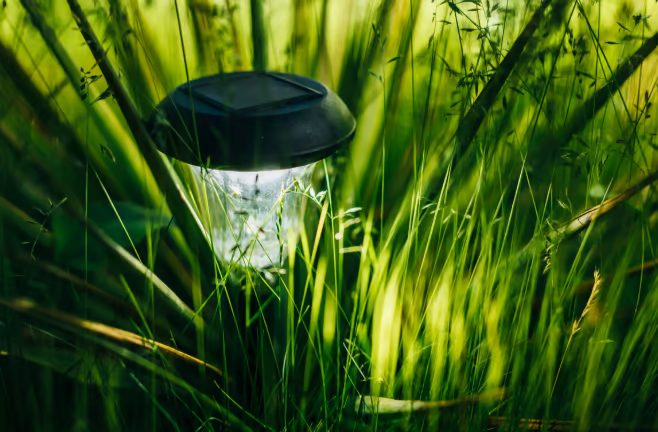
Explore Best Pro Lighting's LED garden and landscape lighting, path and area lights, directional lights, step and deck lights, and LED flood lights to find fixtures for different areas of your landscape.
If you are upgrading existing fixtures, browse LED bulbs and low-voltage light bulbs. For complete low-voltage systems, compare our landscape lighting transformers.

Opening Hours
Monday – Friday 7:30am - 3:30pm PST

Need Help?
Fast answers to common questions.

Stay in the Loop
Be the first to know about new arrivals, sales & tips — it's free!