LED Garden Lighting for Paths, Landscapes, and Outdoor Spaces
Make your garden more inviting after sunset with LED garden lighting from Best Pro Lighting. Whether you want to illuminate a walkway, draw attention to a favorite tree, or add gentle light around a patio, choosing the right fixtures helps you create a comfortable outdoor space. Our selection includes outdoor LED garden lights for paths, planting beds, architectural accents, steps, and water features.
Low voltage landscape lighting is a practical option for residential gardens and many commercial landscapes. Explore integrated LED fixtures and models supplied with LED bulbs, then coordinate your design with path and area lighting, low voltage transformers, and suitable wiring accessories.
Types of Outdoor LED Garden Lights
Different areas of your landscape need different kinds of illumination. Start with the purpose of each light, then compare fixture shape, beam coverage, finish, and mounting position.
Pathway and Walkway Lighting
Low voltage garden lights along paths help people follow a walkway and notice changes in the surrounding landscape. Space fixtures to provide useful, even illumination without creating harsh pools of light or glare. For decorative options, explore LED path lighting.
Best Pro Lighting offers familiar garden styles such as mushroom landscape lights, which direct light toward the ground, and three-tier pagoda lights for a distinctive garden appearance. The small hat path light is another option for walkways and planted borders.
Directional LED Landscape Lighting
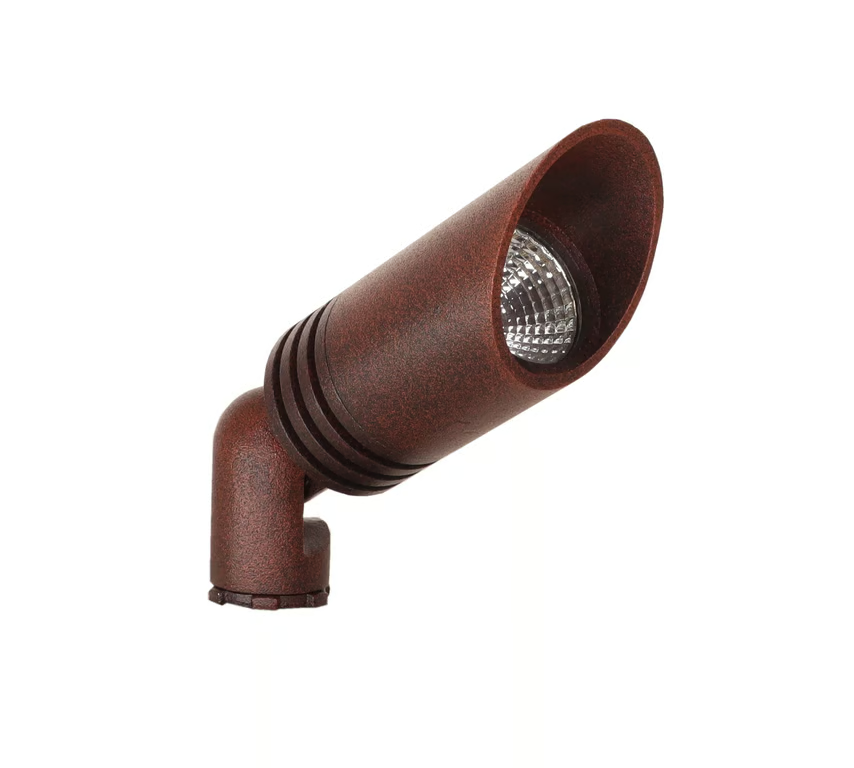
Use directional lighting to highlight trees, shrubs, sculptures, stonework, and architectural details. A focused beam draws attention to a particular feature without lighting the entire garden. For example, an LED directional bullet light can accent an ornamental tree or feature wall, while an LED modern bullet light offers another directional design.
Flood Lights and Garden Ground Lighting
For broader areas, outdoor flood lighting can illuminate larger planting beds, walls, or other landscape features. The beam angle and mounting position determine how much area a fixture covers. Aim lights carefully to limit glare toward windows, roads, and neighboring properties.
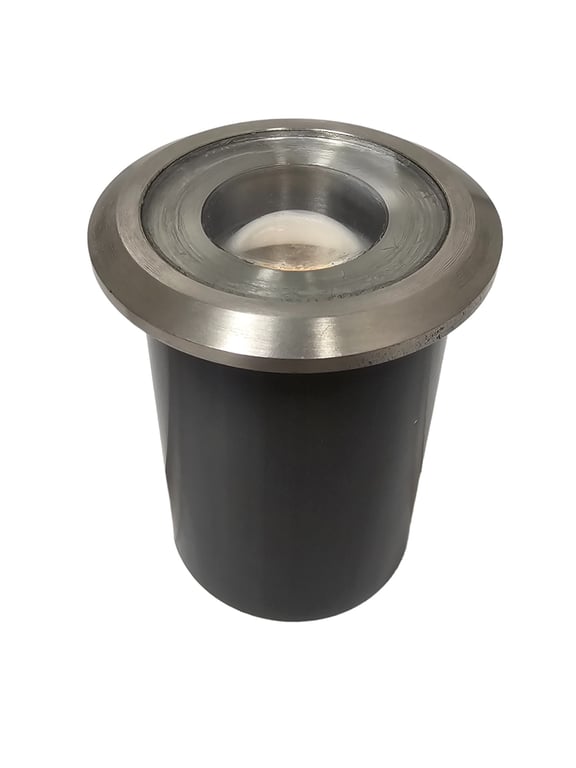
For uplighting from ground level, consider well lights. These can help emphasize tree trunks, columns, and textured walls while keeping the housing relatively discreet within the landscape. Select a fixture rated for the particular installation site.
Step, Deck, and Patio Lighting
Patios, deck steps, and outdoor seating areas benefit from lighting that supports movement without overpowering the setting. Step and deck lights provide localized illumination near stairs and walking surfaces. The BPL400 step and deck light and LED brass step and deck light are two styles to compare.
For nearby trees, planters, or fence features, an LED up-light bullet can add an accent behind the seating area. Keep the light source out of direct sight wherever possible.
Pond and Water Feature Lighting
Lighting can also draw attention to fountains and ponds. Choose fixtures specifically approved for the intended wet or submerged location, rather than assuming any outdoor-rated light can go underwater. See the LED underwater pond light for a product designed for water-feature applications, and follow its installation instructions.
Why Choose Low Voltage LED Garden Lighting?
LEDs create light through semiconductor technology. Compared with traditional incandescent or halogen bulbs providing similar useful illumination, LED options generally use less electricity and last longer. For garden and outdoor landscape lighting, they also offer a variety of beam patterns and fixture styles.
- Lower energy use: Efficient LED lights can provide the illumination you need with less power than comparable traditional bulbs.
- Long service life: Many LEDs are rated for tens of thousands of operating hours, although actual life depends on the product, installation, and operating conditions.
- Flexible placement: Combine path lights, directional fixtures, well lights, and deck lights to serve different outdoor areas.
- Less frequent bulb replacement: Long-lasting bulbs and integrated fixtures can reduce routine replacement work, though lenses, connections, and housings still need inspection.
- Lower heat output: LEDs typically produce less waste heat than incandescent or halogen lighting, but fixtures still require suitable clearance and heat management.
A low voltage LED garden lighting system commonly uses an outdoor-rated transformer to supply power appropriate for its fixtures. Check the specified voltage for every component; not all LEDs use the same input or support dimming. If you already own compatible landscape fixtures with replaceable bulbs, explore LED replacement bulbs.
How to Choose the Right LED Lights for Your Garden
The best LED lights for your garden depend on its layout, existing electrical system, and the features you want to see at night. Before purchasing outdoor garden lights, consider:
- Lighting purpose: Choose downward-facing pathway lights for walking routes, narrow-beam lights for accents, and wider-beam fixtures where more coverage is needed.
- Brightness and color temperature: Compare lumen output and beam spread. Warm white lighting can create a relaxed appearance around planting beds and patios.
- Voltage and compatibility: Check whether each LED garden light requires 12V AC, 12V DC, a specified voltage range, or another input, and match it with the transformer.
- Outdoor suitability: Review the fixture's wet-location rating, materials, seals, and manufacturer's installation limits. Submersible lights need ratings specifically suitable for immersion.
- Fixture style: Mushroom, pagoda, hat, bullet, and well-light designs serve different visual and lighting purposes.
- Long-term maintenance: Consider access for cleaning, connections, adjustments, and any future bulb replacement.
For a coordinated installation, it may be easier to choose a landscape lighting kit instead of selecting every component separately. Check the contents of each kit to confirm whether a transformer, cable, connectors, and bulbs are included.
Planning and Installing a Low Voltage Landscape Lighting System
Good planning can make an outdoor LED garden lighting installation easier to operate and maintain. Electrical connections and transformer mounting must follow the manufacturer's instructions and applicable local codes. Hire a qualified electrician where required, especially for line-voltage work.
1. Plan the layout. Identify paths, steps, trees, flower beds, and focal points. Mark proposed locations before installing fixtures.
2. Choose compatible lights. Confirm input voltage, wattage, intended location, and any dimming or control requirements.
3. Size the transformer. Add the connected fixture wattages and follow the transformer's stated capacity and any required margin. Best Pro Lighting offers 60W, 150W, 300W, and 600W transformer options for different projects.
4. Plan cable runs. Select suitable outdoor landscape cable and account for run length and voltage drop, especially on larger installations.
5. Install safely. Disconnect power before wiring. Mount the outdoor-rated transformer as instructed and use the required protected supply and weather-suitable connections.
6. Position and test fixtures. Adjust aim and spacing after dark to identify glare, dark areas, or unnecessary spill light.
7. Protect cables and connections. Follow local rules and product directions for underground cable depth, routing, and protection. Leave appropriate service slack where useful.
8. Set lighting controls. If the transformer supports them, use compatible timers or photocells to manage when the garden lights operate.
LED Garden Lighting Ideas for Different Outdoor Areas
Combining several light types creates a more balanced design than using the same fixture everywhere. Here are a few practical starting points for residential and commercial outdoor spaces:
- Front garden: Use low voltage pathway lights to guide visitors toward the entrance, with a directional fixture highlighting a tree or planted feature.
- Backyard landscape: Place garden ground lighting near selected trees or decorative elements, while keeping seating areas softly illuminated.
- Flower beds: Aim compact outdoor LED lights across a planting bed instead of pointing bright beams directly at windows.
- Patio or deck: Pair step lights with subtle accent lights so walking surfaces remain visible without excessive brightness.
- Courtyard or commercial entrance: Combine path and area fixtures with architectural accents to help visitors navigate the space.
- Pond or fountain: Add a purpose-built underwater fixture where the installation conditions and electrical system permit.
Browse our LED garden lighting collection to compare styles for your outdoor space. You can also explore garden lighting products and build a system around your preferred fixtures, transformer, and accessories.
Frequently Asked Questions
Q: What are the advantages of LED outdoor garden lights?
A: LED outdoor garden lights generally use less energy and last longer than comparable incandescent or halogen lights. They are available in different styles for paths, gardens, steps, and accent lighting. Choose outdoor-rated fixtures suited to their installation locations.
Q: Are LED garden lights compatible with low voltage landscape lighting systems?
A: Many LED garden lights are made for low voltage landscape lighting, but compatibility depends on the fixture's specified input and the transformer's output. Confirm voltage type and range, load, and any dimming requirements before connecting components.
Q: Do 12V outdoor garden lights need a transformer?
A: If your supply is standard household line voltage, a suitable transformer or power supply is generally required for 12V garden lights. The correct equipment depends on whether the lights need AC or DC power and on the total connected wattage.
Q: How do I choose lighting for a garden pathway?
A: Choose fixtures that direct light onto the walking surface and space them for comfortable visibility. Mushroom, pagoda, and other path-light styles can illuminate walkways while complementing the garden design.
Q: Can outdoor LED garden lights be dimmed?
A: Some can, but not all LED fixtures or bulbs support dimming. Check the product specifications and use a compatible dimmer, driver, or transformer where dimming is supported.
Q: Can LED garden lights withstand rain or moisture?
A: Many outdoor models are designed for wet conditions, but protection varies by product. Review the manufacturer's location rating and IP information. A fixture suitable for rain is not automatically suitable for underwater use.
Q: How long do LED garden lights last?
A: Many LED products are rated for tens of thousands of hours. Actual lifespan varies with component quality, operating temperature, electrical conditions, and installation. Consult the specific fixture or bulb rating rather than assuming every model has the same service life.
Q: What maintenance do low voltage garden lights need?
A: Clean lenses, remove accumulated debris, check fixture alignment, and inspect cables and weatherproof connections with the system safely disconnected. Replace damaged components according to the manufacturer's guidance.
Q: Can I install low voltage LED garden lighting myself?
A: Some low voltage systems are designed for homeowner installation. Follow the instructions and local electrical requirements, and consult a qualified electrician for any work involving household line voltage or installation conditions beyond your experience.