Canoga Park CA -April 7, 2009- Best Pro Lighting is happy to announce its newest offerings for all your lighting needs.
Best Pro Lighting has been offering convenience, top-notch service, and a host of premier quality products to its online customers for nearly two years. Now, they have added some new products to their line and are excited to introduce them to the world.
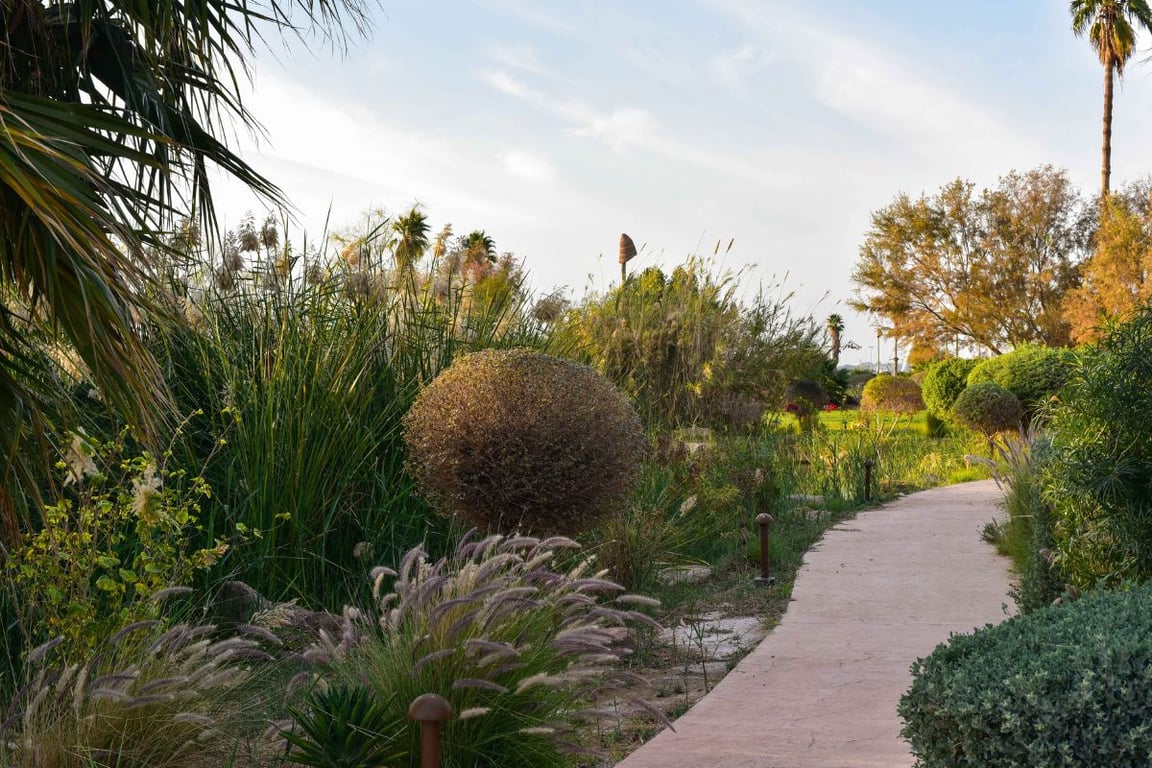
If it’s a path light you need, the BPL 303 can provide a circle of light with a discreet small hat shape.
Add the new BPL 61 Quick Wire connector to any of your low voltage fixtures for quick addition or removal without cutting, splicing, or taping wires. If you have spliced wires, use the new BPL 80 Waterproof Wire Nuts to protect them from moisture and oxidation. Each of these new products proves why Best Pro Lighting is the contractor’s number one choice for landscape lighting needs.
Best Pro Lighting is a manufacturer and distributor of high quality, low voltage landscape lighting at the lowest prices available. Through BestProLighting.com they offer the convenience of 24/7 online ordering and customer service. For more information, visit them today at BestProLighting.com.
Frequently Asked Questions
Q: What makes LED bulbs a “green” lighting solution?
LED bulbs are highly energy-efficient, consuming up to 80% less energy than traditional incandescent bulbs.
They also have a much longer lifespan, which reduces waste and the frequency of replacements.
Unlike some older lamps, LEDs don’t contain hazardous materials like mercury. Their lower heat emission reduces extra load on cooling systems.
Q: How do smart lighting controls contribute to energy savings?
Smart systems (using sensors, timers, and occupancy detection) optimize when and how lights are used, reducing unnecessary power consumption.
Remote control and automation (via mobile apps or voice assistants) provide convenience while ensuring lights aren’t left on by mistake
Q: Are there health or comfort benefits to using sustainable lighting?
Yes—good-quality LEDs can offer better color rendering, making lighting more pleasant and natural.
Smart lighting systems can support circadian rhythms by adjusting color temperature and intensity throughout the day.
Because LEDs generate little heat, they help maintain more stable, comfortable indoor temperatures.
Q: How long do LED bulbs last compared to traditional bulbs?
LEDs typically last tens of thousands of hours—for example, many can reach 25,000 to 50,000 hours or more.
That’s significantly more than incandescent bulbs (~1,000 hours) or older fluorescent types.
Q: Is it expensive to switch to LED and smart-controlled lighting?
The upfront cost of LED bulbs and smart/control systems may be higher, but the long-term savings on energy bills and maintenance often outweigh that initial investment.
Over time, fewer replacements (thanks to long bulb life) reduce both cost and environmental impact.
Plus, using smart controls helps maximize the efficiency, accelerating return on investment.
Q: Do smart lighting systems require special installation?
It depends on the system: some smart controls (like plug-in smart bulbs) are very easy to install, while more advanced setups (with sensors or centralized control) may require a slightly more involved install.
However, once set up, many systems allow flexible control (scheduling, dimming, sensors), making it easier to manage your lighting in an eco-friendly way.
Q: How does lighting impact a building’s carbon footprint?
Because LEDs use far less electricity, they help reduce greenhouse gas emissions, which contributes to lower carbon footprints.
Smart lighting decreases wasted energy (lights off when not needed, dimming, daylight harvesting), further reducing emissions.
Less frequent disposal of bulbs (due to their long lifespan) also helps reduce environmental waste.
Q: Are there standard or green-building certifications that support using LED + smart lighting?
Yes, sustainable lighting often contributes to green-building certification programs (like LEED) because of its energy efficiency, long lifespan, and lower environmental impact.
Using smart lighting controls and efficient LEDs is a recognized strategy for earning “green points” under many certification systems.
Q: What types of lighting from Best Pro Lighting help with green or sustainable solutions?
Best Pro Lighting offers outdoor MR16 LED bulbs, which are energy-saving and ideal for focused or decorative lighting.
They also have low-voltage fixtures (e.g., path lights, bullet uplights) that can be paired with efficient wiring and components.
Their components, like quick-wire connectors and waterproof wire nuts, help minimize waste and make installation more efficient.
Q: How do I dispose of or recycle old bulbs when switching to LEDs?
While LEDs don’t contain mercury like some older bulb types, they should still be recycled when possible to minimize waste.
Check with local recycling centers or retailers for bulb-recycling programs.
Consider choosing LED products designed with modularity or recyclability in mind to further reduce environmental impact.